 By Matt
• Music Production Gear
• Published 10 Mar 2024 • Updated 10 July 2026
By Matt
• Music Production Gear
• Published 10 Mar 2024 • Updated 10 July 2026
Gear Guide: What Is The Wah Wah Pedal?
Before you start reading, just letting you know that my site contains affiliate links, at no extra cost to you, but they may give me a small commission to help run the site. Feel free to get extra info on my disclaimers page. Thanks and on with the show...
Before you start reading, just letting you know that my site contains affiliate links. These pass on no extra cost to you but do give me a small percentage to help run the site. Feel free to get extra info on my disclaimers page. Thanks and on with the show.
The Wah Wah or Cry Baby Wah Wah was just the pedal that spoke to me as a teenager.
When I started to really dig in and discover music for myself, I ventured heavily back in time to the 60s and 70s. Along with that time period came the distinct sound of the wah wah and I was hooked.
Psychedelic rock baby.
It was not just the sound either. There was something so rock and roll about the movement of the foot on the pedal that was just so cool.
I decided to spend my day digging into the history and use of the wah wah and see what I could find about this tone-bending piece of music history.
What Is The History Of Wah Wah Pedals?
The first version of the wah wah pedal was created by accident, which is surprisingly how a lot of great innovations seem to happen.
Bradley J. Plunkett was working at an organ company that was owned by Vox in 1966. They were attempting to redesign the Vox Super Beatle amplifier by changing some parts to make a more affordable model.
By doing so, they created the classic wah sound we know today. After adding it to a foot pedal that was used in an organ, the rest is history.
Vox was not originally thinking of the pedal as a guitar effect. The idea was more connected to woodwind and brass players, a bit like the way a trumpeter uses a mute to create a vocal-style sound.
In fact, the original Vox Wah Wah pedal released in early 1967 had an image of Clyde McCoy, a trumpeter, on the bottom.
That is one of the things I like about the wah pedal. It started as one idea, but guitarists took it somewhere completely different.
How Do You Use A Wah Wah Pedal?
The operation of a wah wah pedal is pretty simple.
The main way to use it is to rock the pedal back and forth with your foot. As the pedal moves up and down, it shifts the frequency focus of the guitar sound. That is what creates the classic “wah” effect.
When you move it in time with your playing, the guitar starts to sound more vocal and expressive. It can almost feel like the guitar is talking.
You can also leave the wah turned on in one position. This is sometimes called a fixed wah sound. Instead of rocking the pedal, you park it in one spot to change the tone and give the guitar a more focused, filtered sound.
That is part of why the wah is so useful. It can be a rhythmic effect, a lead guitar effect or just a way to shape your tone.
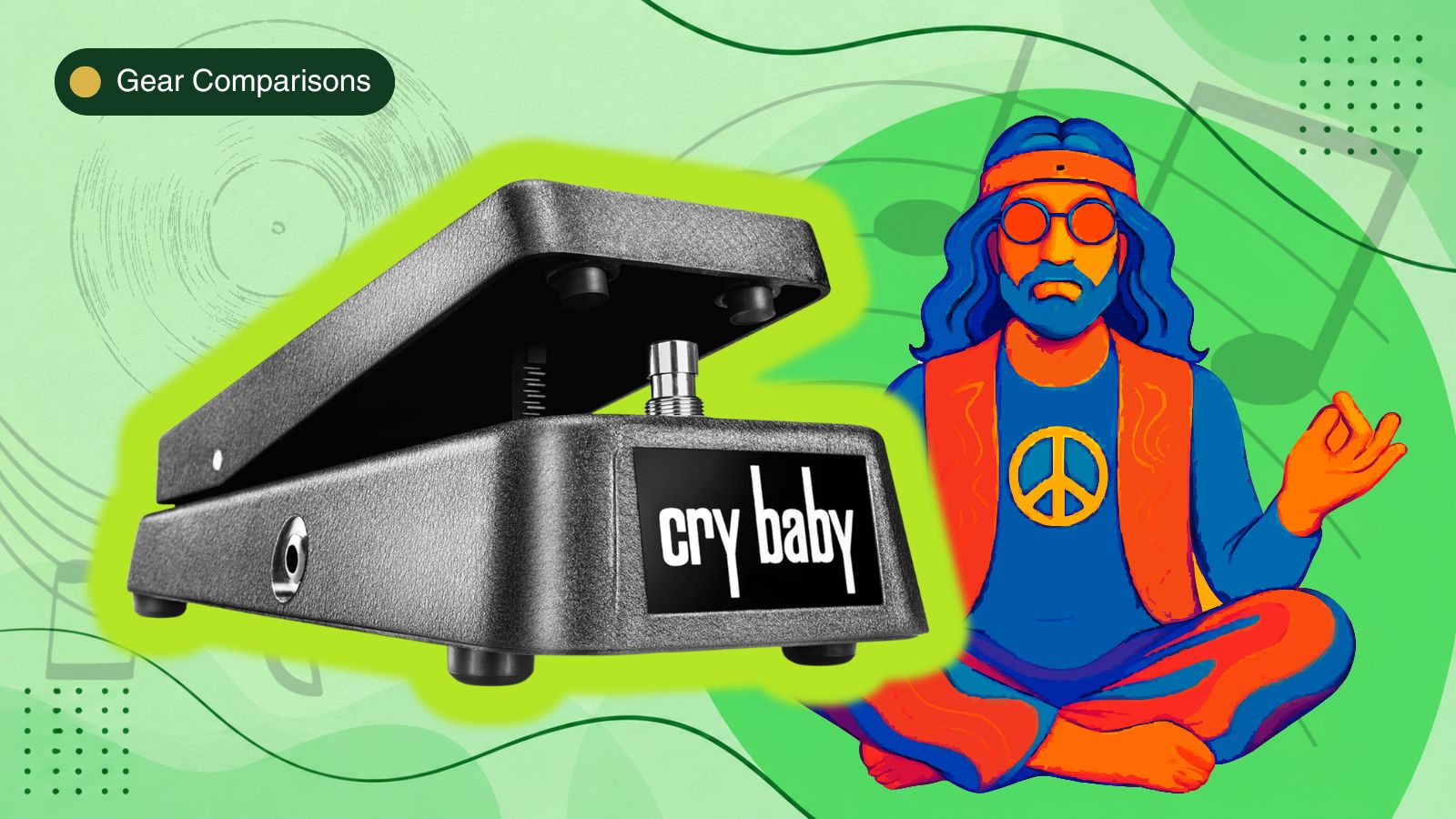
What Is The Cry Baby Wah Wah Pedal?
The Cry Baby was originally connected to the same early wah pedal story as Vox.
The details get a little complicated, but from what I found, Vox distributed their pedal through authorised dealers, while the Cry Baby version was distributed in America by the Thomas Organ Company more widely.
The Cry Baby name was not properly trademarked at the time, which meant other companies could use it. Before long, stores were full of different wah pedals and copies using the Cry Baby name.
One of the companies that jumped on the opportunity was Dunlop, which is now probably the most famous wah pedal brand. The Dunlop Cry Baby became one of the standard wah pedals for guitarists and is still one of the easiest wah pedals to recognise.
That is why the Cry Baby name has become almost interchangeable with wah pedal for a lot of players.
Which Wah Pedal Features Actually Matter?
A wah pedal can seem simple, but there are still a few things worth thinking about before buying one.
The first thing is the sweep. This is how the sound changes as you move the pedal forward and back. Some wah pedals have a smoother, vintage sweep, while others feel sharper, more aggressive or more focused for lead playing.
Size also matters. A full-sized wah can feel great under your foot, but it takes up a lot of space. A mini wah saves pedalboard room, but the smaller treadle can feel different if you are used to a full-sized pedal.
Build quality is another thing to think about. Wah pedals get stepped on constantly, so you want something that feels strong and does not move around too much under your foot.
Then there are extra features. Some wah pedals have multiple voicings, boost circuits, LED indicators or volume pedal functions. These can be useful, but they are not essential for everyone.
For most players, I would start with the sound and feel first. If the sweep feels natural and the tone makes you want to play, that matters more than having every possible extra feature.
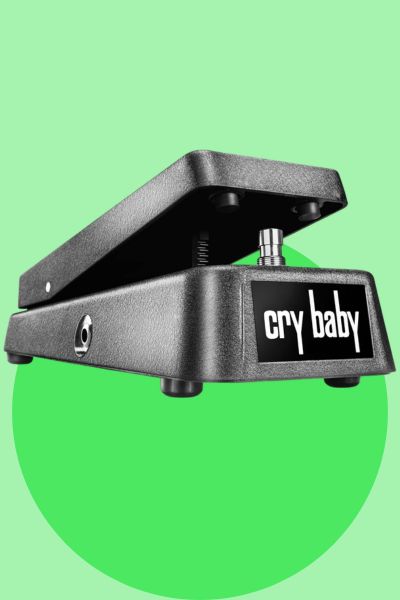
Jim Dunlop Cry Baby Standard Wah GCB95
The Jim Dunlop Cry Baby Standard Wah GCB95 is probably the first wah pedal most guitarists think of when someone says Cry Baby. It has that classic vocal-style sweep and is linked to a huge amount of rock, funk and lead guitar history.
- Classic Cry Baby wah tone
- Heavy duty construction
- Powered by 9V battery or adapter
- Good all-round wah pedal
Why Is It Great?
This is my best overall pick because it is the classic place to start. It is simple, familiar and built around the sound that made wah pedals famous in the first place. If someone wants a proper wah sound without getting too specific or too expensive, this is the most obvious starting point.
The Pros & Cons of Jim Dunlop Cry Baby Standard Wah GCB95
Pros
- Classic wah sound
- Recognisable Cry Baby feel
- Strong all-round option
- Road-ready build
- Good for rock, funk and lead playing
Cons
- Not the smallest pedalboard option
- Does not have lots of extra voicing options
- Some players may want a more modern or specialised wah
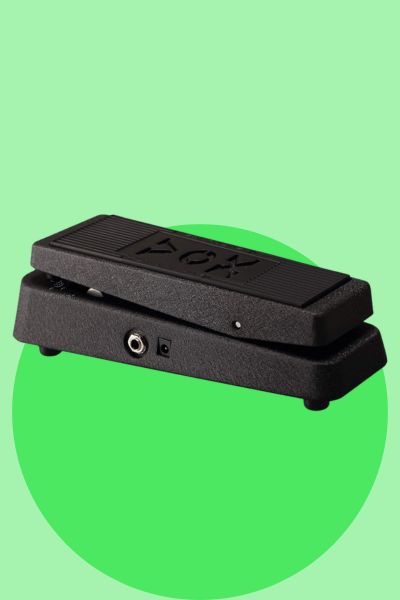
Vox V845 Classic Wah Wah Guitar Effects Pedal
The Vox V845 is a great option if you want something that leans into the older wah sound. Vox is tied right into the original story of the wah pedal, so it makes sense to include one here.
- Vintage-style wah tone
- Inspired by original Vox designs
- Lightweight aluminium chassis
- Smooth traditional sweep
Why Is It Great?
This pedal is great if you want a more vintage-style wah without making the whole thing complicated. It has a traditional feel, a smooth sweep and a sound that sits nicely with the 60s and 70s side of wah history.
The Pros & Cons of Vox V845 Classic Wah Wah Guitar Effects Pedal
Pros
- Vintage-style wah character
- Strong link to the original wah sound
- Simple and easy to use
- Good traditional sweep
- Useful for psychedelic rock and classic tones
Cons
- Less feature-heavy than some modern wah pedals
- May not suit players wanting aggressive modern voicing
- Not as compact as a mini wah
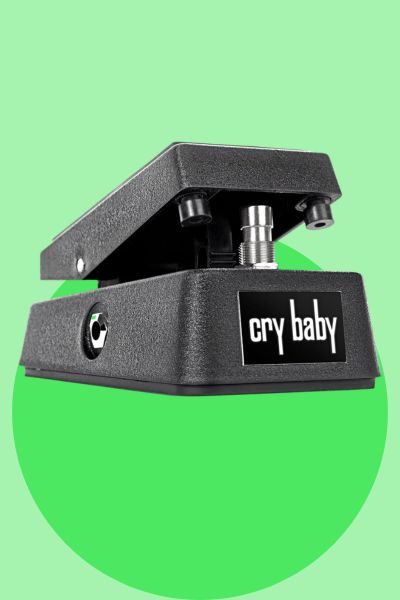
Jim Dunlop Cry Baby Mini Wah CBM95
The Jim Dunlop Cry Baby Mini Wah CBM95 is the option for players who want Cry Baby tone but do not want a full-sized wah taking up half the pedalboard.
- Compact mini wah size
- Three internal voicings
- True bypass
- Good for tight pedalboards
Why Is It Great?
I like this one because it solves a real problem. Wah pedals are useful, but they can be annoying if your pedalboard is already crowded. The Mini keeps the footprint smaller while still giving you proper wah sounds and three internal voicings to choose from.
The Pros & Cons of Jim Dunlop Cry Baby Mini Wah CBM95
Pros
- Small footprint
- Good for tight pedalboards
- Three internal voicing options
- True bypass
- Still gives a proper wah sound
Cons
- Smaller treadle may feel different underfoot
- Internal voicing switch not as quick as an external control
- May not feel as classic as a full-sized wah
FAQ
What does a wah wah pedal do?
A wah wah pedal changes the frequency focus of your guitar signal as you move the pedal with your foot. This creates the vocal-style “wah” sound.
Is the Cry Baby the same as a wah pedal?
The Cry Baby is a type of wah pedal. It became so famous that a lot of people use Cry Baby and wah pedal almost interchangeably.
What is the best wah pedal for beginners?
The Jim Dunlop Cry Baby Standard Wah GCB95 is a strong beginner choice because it gives you the classic wah sound without too many extra controls.
Can you leave a wah pedal in one position?
Yes. You can leave a wah pedal turned on in one position to create a fixed filtered tone. This gives a different sound to rocking the pedal back and forth.
Who made the wah pedal famous?
Jimi Hendrix is one of the most famous wah pedal users, especially through tracks like Voodoo Child. Eric Clapton, Frank Zappa, Slash, Eddie Van Halen and John Mayer are also strongly linked with wah sounds.
In Summary – What Is The Cry Baby Wah Wah Pedal?
The wah wah pedal is one of the most recognisable guitar effects ever made.
It was created in the late 60s and came from an attempt to create a sound similar to muted brass instruments. It was not originally aimed at guitarists in the way we think of it now, but once guitar players got hold of it, the sound became part of rock, funk, psychedelic music and beyond.
The Cry Baby name became famous because of its connection to that classic wah sound, and Dunlop helped turn it into one of the most recognisable pedal names in guitar history.
A few key points to remember:
The wah wah was created in the late 60s.
It was created partly by accident, but people loved the sound.
The Cry Baby name became widely used because it was not properly trademarked early on.
The wah helped shape the sound of the 60s and psychedelic rock.
Famous users include Jimi Hendrix, Eric Clapton, Frank Zappa, Slash, Eddie Van Halen and John Mayer.
If you are buying your first wah, the Jim Dunlop Cry Baby Standard is probably the safest place to start. If you want more vintage flavour, look at the Vox V845. If you need to save pedalboard space, the Cry Baby Mini makes a lot of sense.
As always, thanks very much for reading and let me know in the comments if you have any questions, opinions or ideas for my next article.
Have a great one!
ABOUT THE AUTHOR