 By Matt
• Live Performance Gear
• Published 27 Dec 2024 • Updated 25 July 2026
By Matt
• Live Performance Gear
• Published 27 Dec 2024 • Updated 25 July 2026
The Best In Ear Monitor Systems for Musicians
Before you start reading, just letting you know that my site contains affiliate links, at no extra cost to you, but they may give me a small commission to help run the site. Feel free to get extra info on my disclaimers page. Thanks and on with the show...
All musicians that play live know the situation - Loud band, loud venue - It's what we do what we do.... that is until you realise that you can't hear the rhythm guitarist standing right next to you. And don't talk to me about my vocals! Even with that foldback, it's near impossible to hear myself speak, let alone sing.
So as I blog today, I enter the world of in ear monitors or iem for short.
But wait, aren't they only for the musicians you see on TV or on giant arena stages?
No! (Well now i've researched I know the answer is no and i'll tell you why)
There are all different systems that us mere mortals can use AND, more importantly, afford.
I can attest that these things make you feel like you are in a sound booth- right amid the chaos of a small stage in a packed bar at midnight.
Having the best in ear monitor system can turn a good performance into a great one - funny huh? Who would have thought that hearing clearer means you play better.
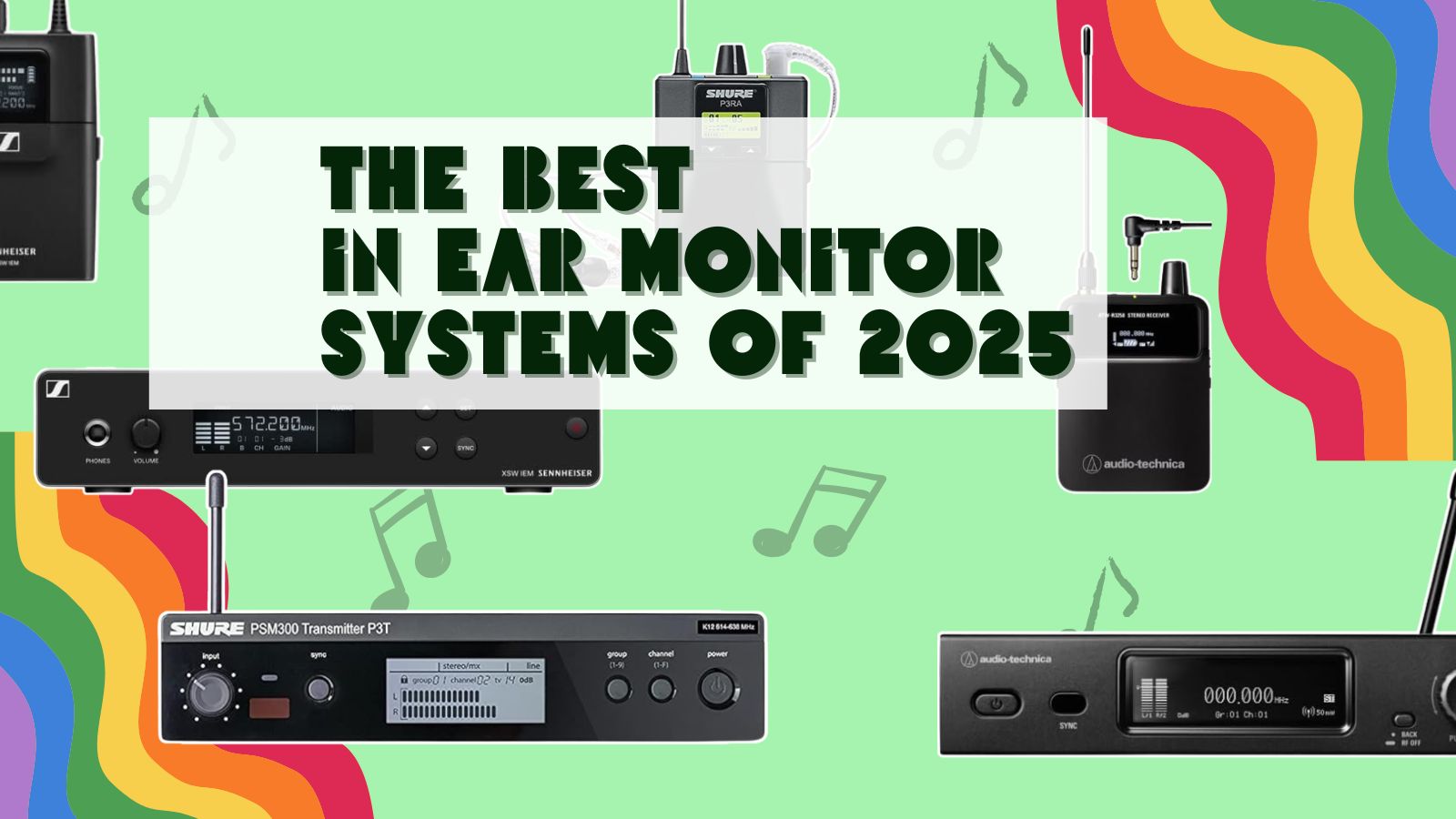
In this post, I'll take you through the details of what makes these systems essential while also looking at the history, the @how do they work@ and some key features to look out for. I've also thrown in some of my picks for the top options at different price points available right now.
What Is an In Ear Monitor System?
Really simply, in-ear monitor (iem) systems are audio devices that let musicians hear a mix that they have worked out, directly in their ears. This means that each person on stage can be hearing the same song, but set up sonically different, in the best way for them.
These systems are small, making them portable, so that you can move around on stage while not missing a thing. Different from the old monitors, they produce a remarkable high quality sound directly to your ears while also blocking out the noise around you.
They really are a must have if you want to step up your live music game.
How In Ear Monitors Work and What You’ll Hear
There are three pieces to these systems - the transmitter, a receiver and earphones.
The transmitter connects to yours or the venue’s soundboard and then will send audio signals to the receiver.
The receiver which is in most cases worn by the musician (that little black box you see) then sends the sound to the earphones - by wires on not depending on what you have.
The benefits really come from the mix that is now going into your ears from the headphones.
As mentioned earlier, the sound engineers will create custom mixes for each band member to suit their preferences.
For example:
- The singer might need to hear their own voice more and reduce the drums.
- As a guitarist, sometimes I want to hear the bass and drums to make sure that I am in time.
What's even more amazing as these mixes can be changed on the fly - next time at a gig try and spot the hand signals the band are using in order to turn something up or down in their in ear monitors.
Again, sound engineers can adjust the mix live using the console with no fuss at all.
Key Features You Should Look for When Buying
Sound Quality
Look for clear, distortion-free sound that offers a balanced frequency range. Multi-driver systems often are best in providing clarity across the bass, mids and highs.
Build Quality
Durable materials like reinforced plastics or metal housings make sure that they will last in the long term. Custom molded monitors can often provide added durability due to their snug fit.
Battery Life (for wireless systems)
Aim for systems that can last over 6 hours to get through both a long rehearsals/sound check and performances without interruptions.
Wireless Range (for wireless systems)
Ensure the range covers at least 100 feet for larger venues. You might still be playing small venues but you might as well plan for the future now and not have to buy a second set.
Ease of Setup
Plug-and-play is essential. This is important when you don't have your own dedicated sound engineers.
Noise Isolation
Noise isolation is also important so that the noise from the crowd and stage doesn't bleed into your ears.
Types of In Ear Monitors
Wired vs. Wireless Systems
Wired systems are a more budget friendly version. They are reliable but, with the wires, can limit a small amount of movement. I still see a lot of these in concerts today used by big name stars though, so it can't be too limited.
Wireless systems will be more expensive but are more versatile. But, just like the earbuds you have at home, just don't forget where you leave them!
Universal Fit vs. Custom Molded
Universal fit monitors, like the name implies, can fit the vast majority of ears and should be right for most people. Like a one size all kind of jam.
The custom fits, again more expensive, involves a process of having your ear specially molded. For me, maybe these are a bit of overkill for most people but they will offer better comfort and noise cancellation properties.
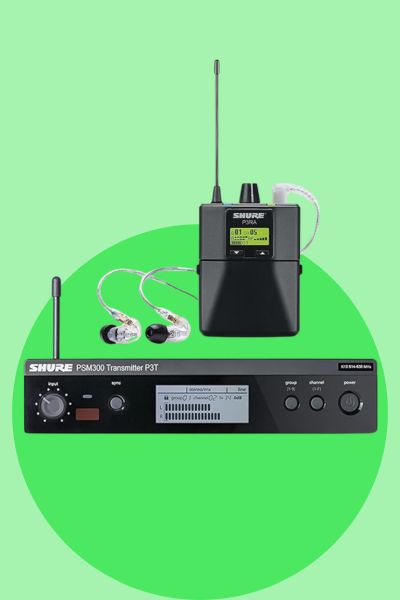
Shure PSM300 P3TRA215CL
The Shure PSM300 P3TRA215CL is the best all-rounder in this comparison for players who need reliability and clarity.
- Wireless functionality for hassle free movement.
- Superior sound clarity so details are easier to hear.
- Built for durability for touring and gigging musicians.
- Offers customisable mixing options for a professional sound balance.
Why Is It Great?
Shure has a reputation for reliability and sound quality and that shines with this product. It is a serious IEM system for musicians who need their monitoring to work properly on stage.
The Pros & Cons of Shure PSM300 P3TRA215CL
Pros
- Reliable Shure system
- Good sound clarity
- Wireless movement
- Built for gigging musicians
Cons
- More expensive than basic IEM options
- May be too much for casual players
- Needs proper setup to get the best results
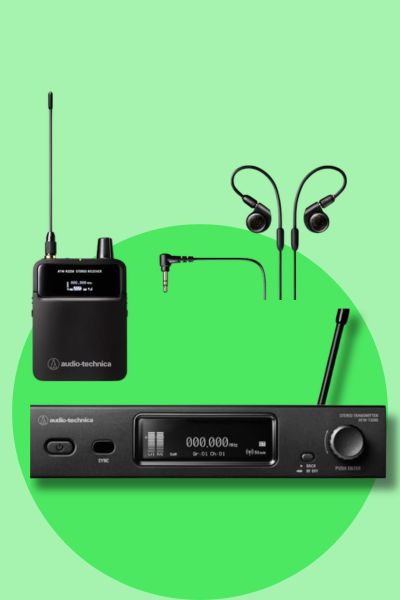
Audio-Technica ATW-3255
The Audio-Technica ATW-3255 is the detailed mix option in this comparison.
- Multi-driver system for detailed mixes.
- Expansive soundstage.
- Lightweight and ergonomic for longer performances.
- Known for low latency and consistent audio quality.
Why Is It Great?
These are great because they are perfect for detailed mixes and complex arrangements. If you are working with more detail in the mix, this is the type of system that makes sense.
The Pros & Cons of Audio-Technica ATW-3255
Pros
- Detailed sound
- Good for complex arrangements
- Lightweight design
- Low latency
Cons
- Not the cheapest option
- May be more detailed than some players need
- Still needs a proper stage mix
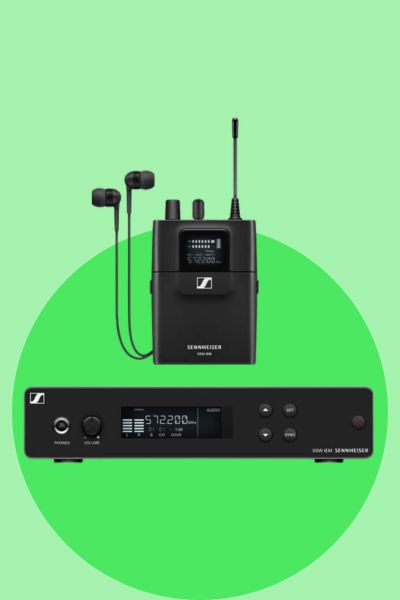
Sennheiser XSW IEM
The Sennheiser XSW IEM is the more affordable wireless IEM option in this comparison.
- Compact and portable design.
- Reliable wireless connectivity.
- Useful for performers upgrading their sound setup.
- Good balance of performance and price.
Why Is It Great?
If you want the best budget in ear monitor system, this gives you a great balance of performance and price while still carrying Sennheiser quality.
The Pros & Cons of Sennheiser XSW IEM
Pros
- Good value
- Compact and portable
- Reliable wireless connection
- Known Sennheiser brand
Cons
- Not as premium as top touring systems
- May not have every advanced feature
- Still costs more than simple wired earphones
FAQ
What is an in ear monitor system?
An in ear monitor system lets musicians hear a dedicated mix directly in their ears while performing live.
Are in ear monitors only for professional musicians?
No. Professional musicians use them, but there are also more affordable systems that can work for small bands and regular gigging players.
Which in ear monitor system is best overall?
The Shure PSM300 P3TRA215CL is the best overall option in this comparison because it gives reliability, clarity and proper wireless stage use.
Which in ear monitor system is best on a lower budget?
The Sennheiser XSW IEM is the best budget-friendly wireless option in this comparison because it balances performance and price well.
Do in ear monitors protect your hearing?
They can help by reducing the need for loud floor wedges and cutting down stage noise, but they still need to be used at sensible volume levels.
Conclusion - The Best In Ear Monitor Systems for Every Budget
If you’re serious about your music and your sound, investing in the best in ear monitor system is a non negotiable.
By now you should have a good idea of why IEMs are not just for big touring acts but also a must have tool for anyone playing live at venues.
Just to quickly recap:
- They replace bulky floor wedges with a direct mix sent straight into your ears.
- They protect your hearing by cutting down stage noise
- Systems come in both wired and wireless
- The real magic is in the mix - each band member can hear exactly what they need
These devices offer clarity, comfort and the ability to take your performance to the next level.
Key summary of In Ear products talked about in the post:
- Shure PSM300 P3TRA215CL is the best all-rounder for professionals who need reliability and clarity.
- Audio-Technica ATW-3255 s perfect if you want detail in your mixes and you’re working with complex arrangements.
ABOUT THE AUTHOR