 By Matt
• Music Production Gear
• Published 24 Mar 2024 • Updated 11 July 2026
By Matt
• Music Production Gear
• Published 24 Mar 2024 • Updated 11 July 2026
The Top Entry Level Microphones To Record Music At Home
Before you start reading, just letting you know that my site contains affiliate links, at no extra cost to you, but they may give me a small commission to help run the site. Feel free to get extra info on my disclaimers page. Thanks and on with the show...
When you start recording music at home, you quickly realise there is a huge universe of tools sitting in front of you.
Cables, audio interfaces, laptops, DAWs, headphones, monitors and somewhere in the middle of all of that sits the microphone.
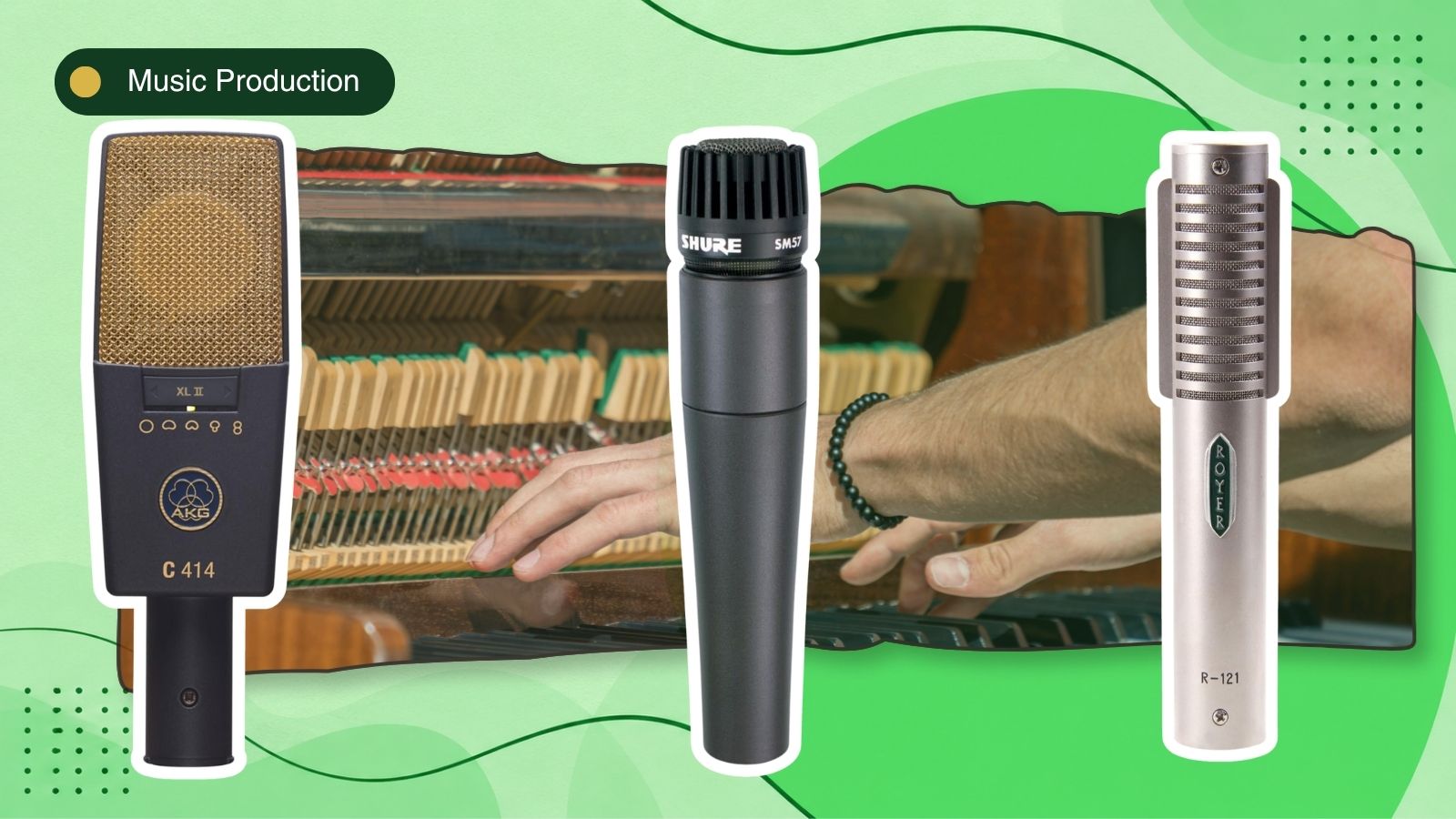
Microphones can be confusing at first because there are so many different types, prices and use cases. You have models like the Shure SM57 that seem to be in almost every studio, then other microphones designed for very specific jobs.
The other shock is the price. Some microphones cost more than a beginner’s entire home recording setup.
But you do not need to start there.
This guide is here to make the entry-level microphone world a bit easier to understand, so you can choose something that suits your music, your setup and your budget.
What Are The Different Kinds Of Microphones?
Microphones come in different shapes, sizes and styles, but for home recording there are three main types worth understanding.
Dynamic microphones are known for being durable and versatile. They are often used for live performances and louder instruments because they can handle volume well. The Shure SM57 is a classic example.
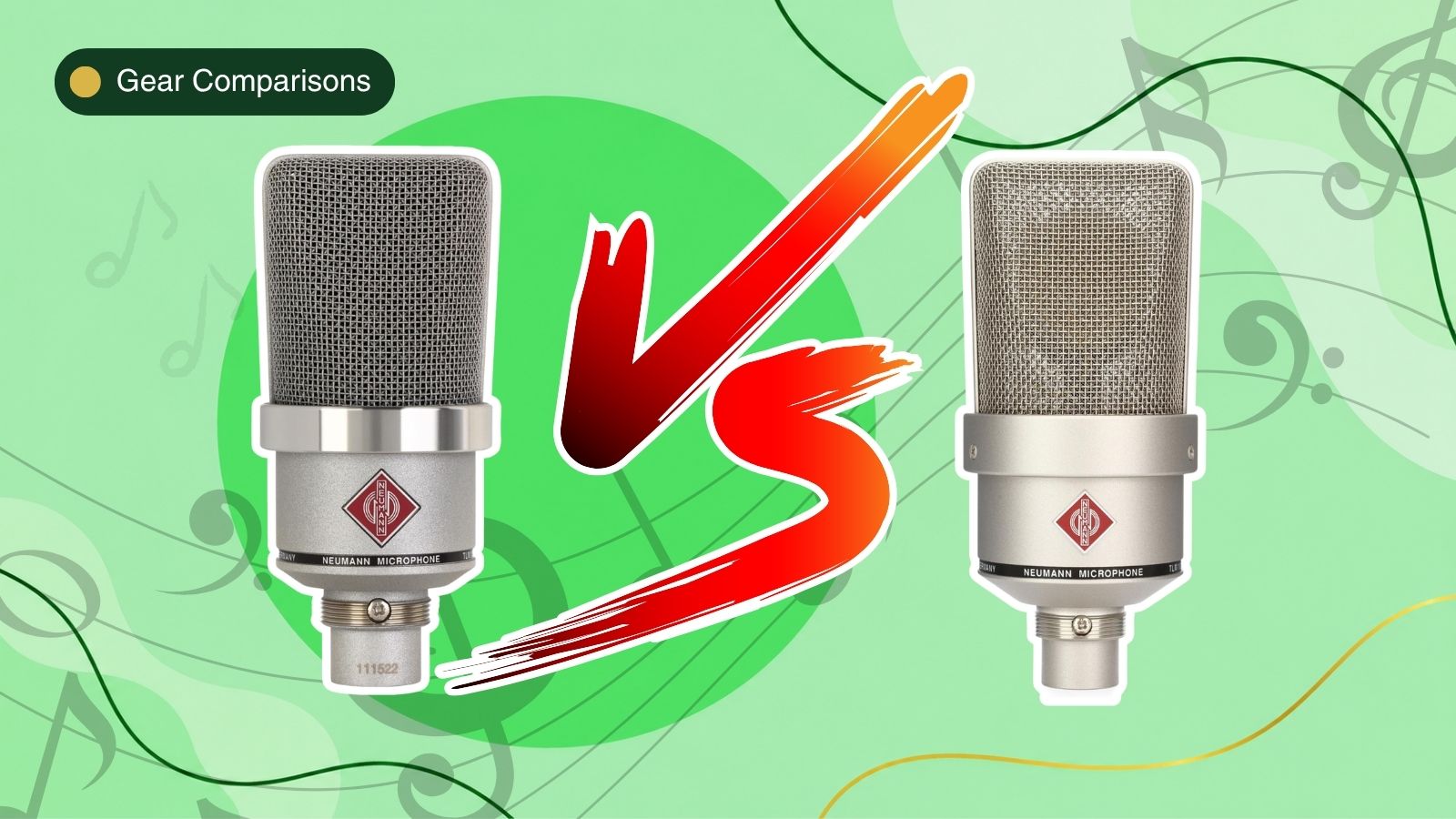
Condenser microphones are usually more sensitive and detailed. They are common in studios because they can capture vocals, acoustic guitar and softer details more clearly. The Audio-Technica AT2020 and Rode NT1-A are examples of this type.
Ribbon microphones are known for a warmer, smoother and more vintage-style sound. They can be beautiful, but they are usually not the first place I would send a beginner because they can be more expensive and more delicate.
For most people recording at home, the first choice will usually be between a dynamic microphone and a condenser microphone.
If I Had To Buy Only One Microphone, What Would It Be?
Choosing only one microphone is a bit like choosing one paintbrush to paint every scene. It is difficult, but not impossible.
If I wanted one microphone that could handle a lot of different things, I would look very closely at the Shure SM57.
It is durable, affordable and useful on guitar amps, instruments and even some vocal situations. It may not be the most detailed microphone in the world, but it is one of those pieces of gear that can stay useful for years.
If I wanted one entry-level condenser microphone, the Audio-Technica AT2020 would make a lot of sense. It gives you a more sensitive studio-style sound and can work well for vocals, acoustic guitar and home recording.
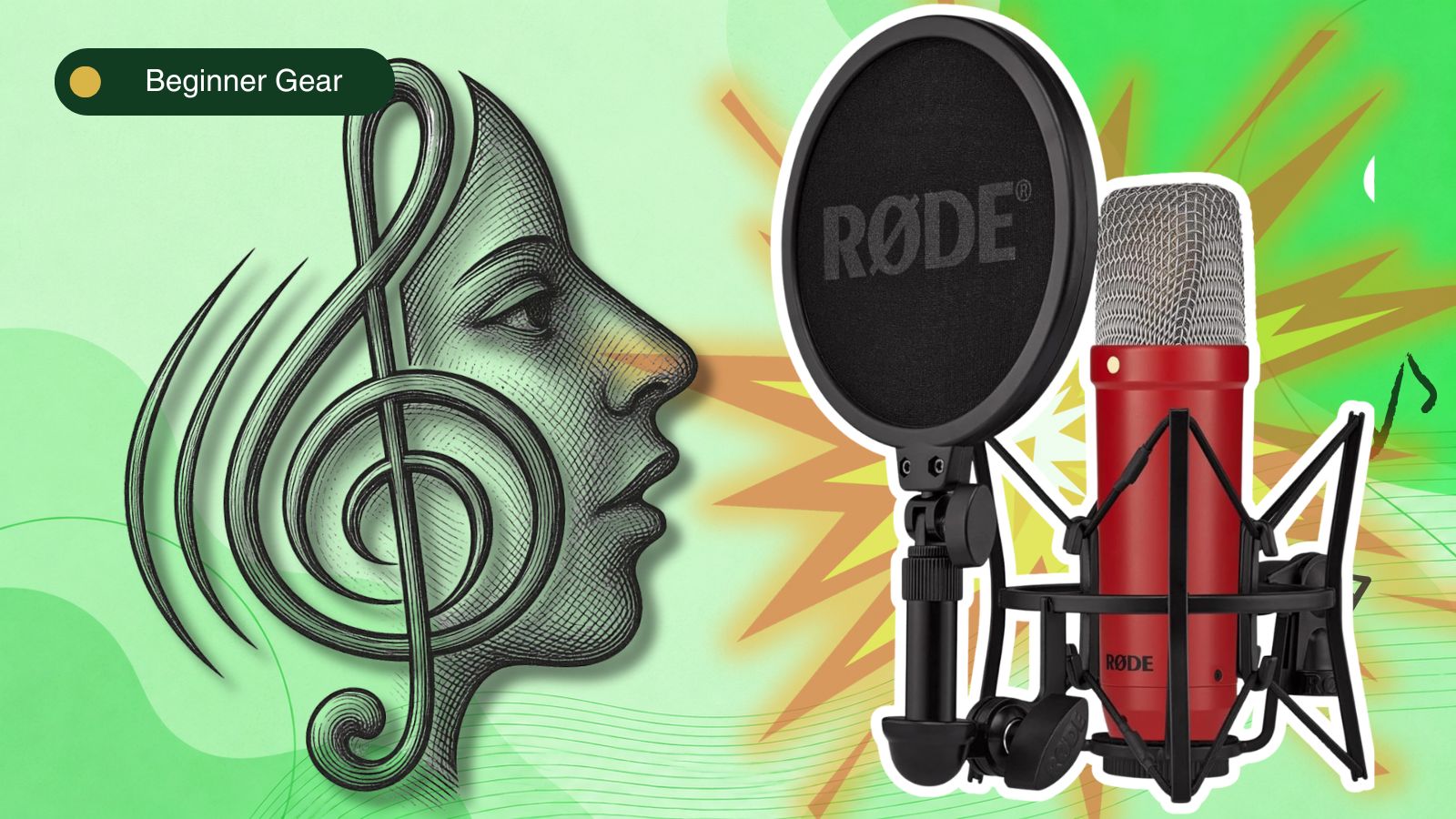
If I was recording mostly voice and acoustic guitar and wanted to spend a bit more, the Rode NT1-A would be the one I would look at. Its low self-noise and warmer sound make it a strong singer-songwriter choice.
So the answer depends on what you record most. For all-round durability, Shure SM57. For entry-level studio detail, Audio-Technica AT2020. For voice and acoustic guitar, Rode NT1-A.
What Should You Look For In An Entry-Level Microphone?
The first thing to think about is purpose.
Are you recording vocals, acoustic guitar, electric guitar amps, podcasts, drums or a mix of everything? Different microphones suit different jobs, so it helps to know the main thing you want to record.
Durability matters too, especially if you will be moving the microphone around, taking it to rehearsals or using it for live performance. This is where dynamic microphones can be really useful.
Sound quality is obviously important, but it is not just about buying the most expensive mic. A good beginner microphone should capture your voice or instrument clearly without making the setup too complicated.
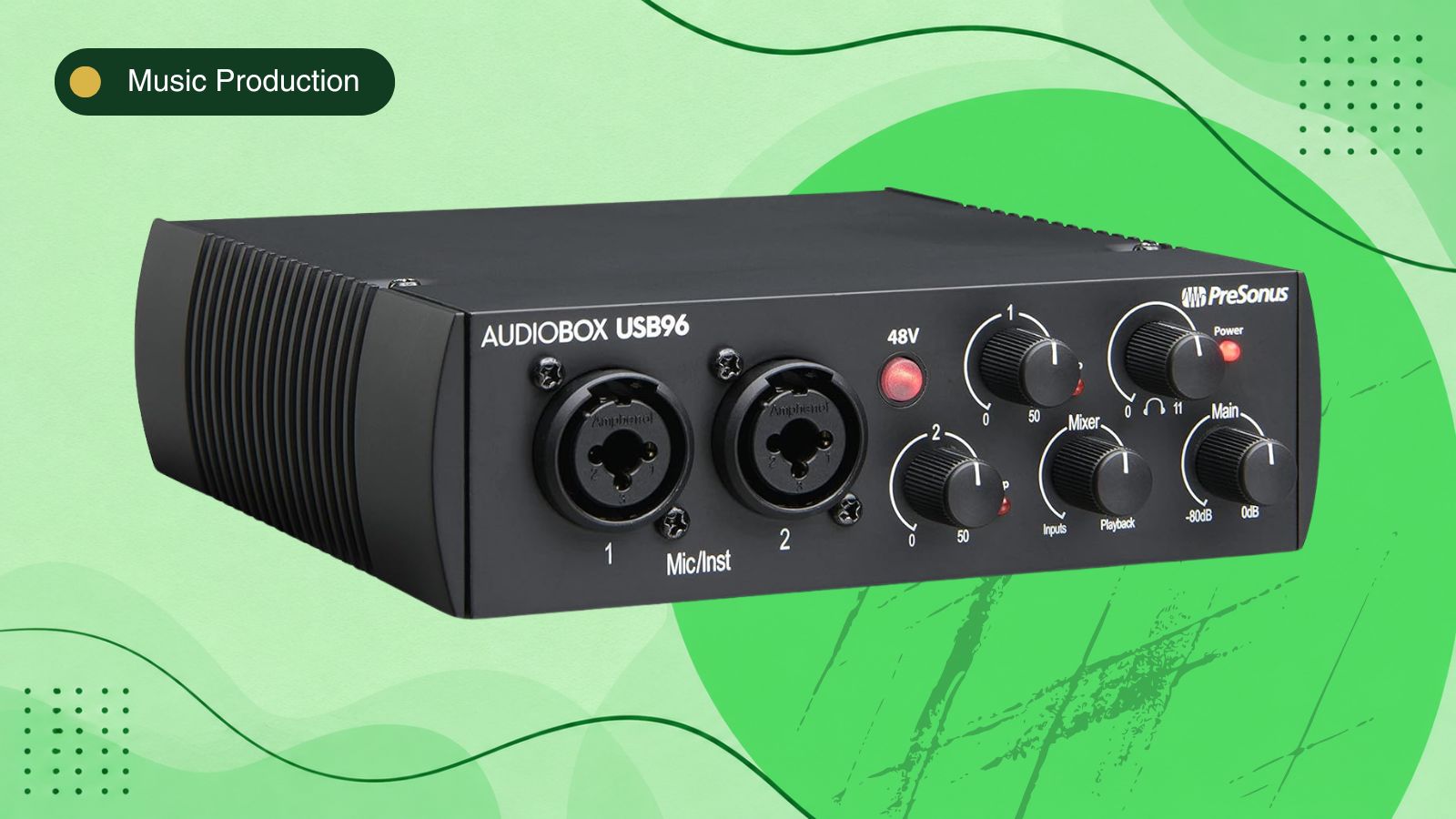
Compatibility is also important. Many microphones need an audio interface with an XLR input. Condenser microphones also need phantom power, which most modern interfaces provide, but it is still worth checking.
Also think about accessories. A mic stand, XLR cable, pop filter, shock mount and audio interface can all be part of the real cost. The microphone is only one part of the recording chain.
Shure SM57
The Shure SM57 is one of those microphones that seems to show up everywhere. You will find it in home studios, live setups and professional studios because it is simple, tough and useful on a lot of sound sources.
- Dynamic microphone
- Very durable build
- Works on vocals and instruments
- Good first all-round mic
Why Is It Great?
If I had to recommend one entry-level microphone to start with, the Shure SM57 would be very high on the list. It is not fancy, but that is part of the appeal. It can handle loud instruments, guitar amps, snare drums and even vocals if needed. For beginners, it gives you a microphone that can survive a lot and still stay useful as your setup grows.
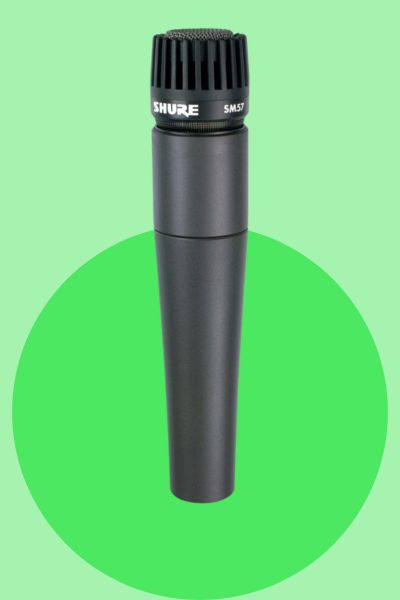
The Pros & Cons of Shure SM57
Pros
- Very durable
- Good for guitar amps and instruments
- Useful in home and live setups
- Affordable first microphone
- Can still be useful after you upgrade
Cons
- Not as detailed as a condenser mic
- May not be the best first choice for soft vocal recordings
Audio-Technica AT2020
The Audio-Technica AT2020 is a strong entry-level condenser microphone for people wanting a more studio-style recording sound without jumping into expensive mic territory.
- Condenser microphone
- Good detail and sensitivity
- Useful for vocals and acoustic instruments
- Strong entry-level studio mic
Why Is It Great?
This is a good choice if you want to record vocals, acoustic guitar or softer instruments with more detail than a basic dynamic mic. It is sensitive enough to capture more nuance, which can be great for home recording if your room is reasonably quiet.
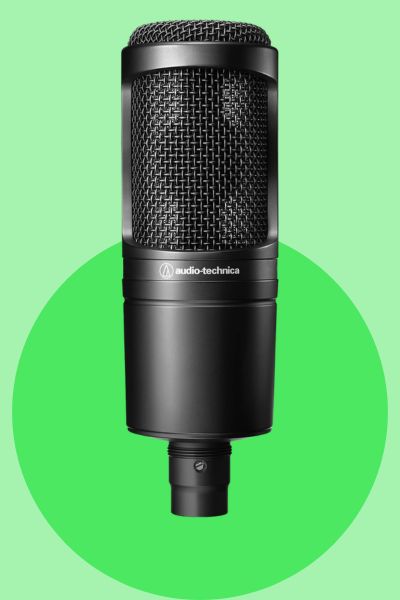
The Pros & Cons of Audio-Technica AT2020
Pros
- Good entry-level condenser mic
- Captures more detail than many dynamic mics
- Useful for vocals and acoustic guitar
- Accessible price point
- Strong first studio microphone option
Cons
- Needs phantom power
- Will pick up room noise more easily
- Less rugged than a dynamic mic
- May need a pop filter for vocals
Rode NT1-A
The Rode NT1-A is the one I would look at if your setup is mainly voice and acoustic guitar and you want a cleaner, more polished home recording sound.
- Condenser microphone
- Low self-noise
- Warm detailed sound
- Good for voice and acoustic guitar
Why Is It Great?
This microphone is known for low self-noise and a detailed sound, which makes it a strong option for singer-songwriters. If you are recording quieter parts, vocals or acoustic guitar, that lower noise floor can really help. It is more expensive than the very basic options, but it feels like a proper step up for a home studio.
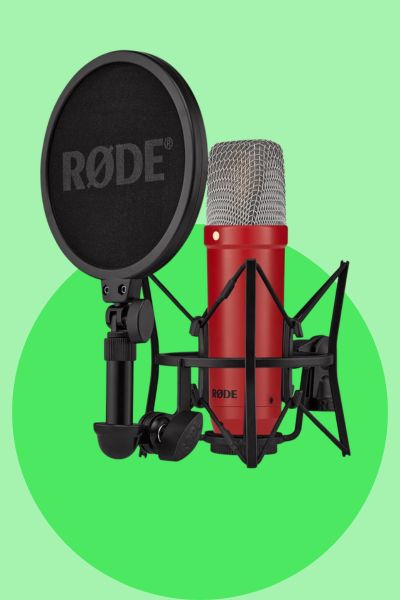
The Pros & Cons of Rode NT1-A
Pros
- Great for vocals and acoustic guitar
- Low self-noise
- Warm and detailed recording sound
- Good singer-songwriter option
- Often sold with useful accessories
Cons
- Needs phantom power
- Can expose problems in untreated rooms
- Less suited to rough live use
FAQ
What is the best entry-level microphone for home recording?
For most beginners, the Shure SM57, Audio-Technica AT2020 and Rode NT1-A are all strong choices. The best one depends on whether you need durability, studio detail or a good vocal and acoustic guitar sound.
Should I buy a dynamic or condenser microphone first?
If you want something tough and versatile, start with a dynamic microphone like the Shure SM57. If you mainly record vocals or acoustic guitar in a quiet room, a condenser like the Audio-Technica AT2020 or Rode NT1-A may make more sense.
Do I need an audio interface for these microphones?
Yes, for most XLR microphones you will need an audio interface. Condenser microphones also usually need phantom power, which most modern audio interfaces provide.
What microphone should I use for vocals and acoustic guitar?
The Rode NT1-A is a strong option for vocals and acoustic guitar because it has a detailed, warm sound and low self-noise. The Audio-Technica AT2020 is also a good lower-cost option.
Is the Shure SM57 good for beginners?
Yes. The Shure SM57 is a great beginner microphone because it is durable, affordable and useful on lots of different instruments. It is not the most delicate studio vocal mic, but it is a very practical first microphone.
In Summary – Picking Your Entry-Level Microphone
There is a microphone for almost every need, from tough dynamic workhorses like the Shure SM57 to condenser microphones that are better suited to detailed studio-style recordings.
The main thing is to know what you actually need.
If you want one tough all-round microphone, the Shure SM57 is a smart starting point.
If you want an affordable condenser for vocals and acoustic instruments, the Audio-Technica AT2020 is a strong option.
If you are mainly recording voice and acoustic guitar and want a cleaner singer-songwriter sound, the Rode NT1-A is worth looking at.
A few key points to remember:
- Think about whether you need a dynamic or condenser microphone.
- Choose based on what you record most.
- Do not ignore compatibility with your audio interface.
- Remember that accessories add to the total cost.
- Do not spend your whole budget on the mic and forget the rest of the setup.
A great recording setup is more than just one microphone. Your room, audio interface, cables, stand, headphones and DAW all play a part.
Start simple, choose something useful and build from there.
ABOUT THE AUTHOR