 By Matt
• Music Production Gear
• Published 20 Mar 2024 • Updated 10 July 2026
By Matt
• Music Production Gear
• Published 20 Mar 2024 • Updated 10 July 2026
Why Open An Upright Piano To Record With Mics
Before you start reading, just letting you know that my site contains affiliate links, at no extra cost to you, but they may give me a small commission to help run the site. Feel free to get extra info on my disclaimers page. Thanks and on with the show...
Have you ever walked into a recording studio or seen a band in a studio and noticed an upright piano with its front panel removed, exposing all the inner workings?
I remember the first time I saw this setup. I was intrigued and a bit puzzled.
Why would anyone take apart a piano for recording?
That question sent me further into the world of piano recording techniques. It turns out there are some very practical reasons for opening up an upright piano when recording with microphones.
It is not about making the piano look more dramatic, although it does look pretty cool. It is mainly about access, clarity, resonance and giving the microphones a better chance to capture the actual sound of the instrument.
What Is A Brief History Of Recording Acoustic Pianos?
Recording acoustic pianos has a rich history going back to the early days of audio recording.
In the late 19th century, early piano recordings were captured using phonograph cylinders and early gramophones. The technology was limited, so the full range and depth of the instrument was hard to capture properly.
By the 1920s, recording technology had improved and acoustic recording techniques became more developed. Engineers started finding better ways to capture instruments with microphones and direct-to-disc recording.
In the 1940s and 1950s, magnetic tape changed things again. It allowed higher fidelity, more flexibility and better editing.
By the 1960s and 1970s, multi-track recording gave engineers more control over how they captured the piano and placed it within a song.
From the 1980s to today, digital recording has made piano recording even more flexible. But even with all that technology, the basic question still matters: where do you put the microphone and what part of the piano are you trying to capture?
Why Do You Remove The Front Of An Upright Piano To Record It?
When you open an upright piano, you usually remove the front panel so the internal strings, hammers and soundboard are easier to access.
The main reason is microphone placement. With the panel closed, the sound has to come through the piano cabinet before it reaches the microphones. That can make the recording sound more boxed in or muffled.
When the front panel is removed, the microphones can get closer to the source of the sound. This gives you more control over how bright, direct, warm or roomy the recording feels.
Opening the piano can also help reduce some unwanted reflections and resonances caused by the closed cabinet. Instead of the sound bouncing around inside the piano before reaching the mic, you can capture the instrument more directly.
It does not mean the piano will automatically sound better, but it gives the engineer more options.
What Sound Difference Does Opening An Upright Piano Make?
The sound difference between recording an upright piano open or closed can be pretty noticeable.
With the front panel in place, the sound can feel more muffled, darker or boxed in. That might work for some songs, especially if you want a softer background piano sound, but it can also make the recording harder to shape.
When you remove the front panel, the piano usually sounds clearer and more open. The microphones can capture more of the strings, hammers and resonance, which can make the sound brighter and more defined.
This can be especially useful if the piano is an important part of the track. If the piano needs to sit upfront in the mix, opening it gives you more detail to work with.
That said, it is not always about making the piano brighter. Sometimes opening the piano is simply about control. You can place microphones closer, further away or in stereo positions and decide how much detail and room sound you want.
What Microphone Placement Works Best On An Open Upright Piano?
here is no single perfect microphone position for every upright piano, but opening the piano gives you more useful choices.
Close miking is where you place microphones near the strings. This gives you a more direct and intimate sound. It can work well when the piano needs to be clear in a mix.
Room miking is the opposite approach. You place the microphones further back so they capture more of the piano in the room. This can sound more natural, but it depends heavily on whether the room itself sounds good.
X/Y stereo placement uses two matched microphones placed close together at an angle. This can give you a balanced stereo image without getting too messy.
Mid-side recording is another stereo method that uses a cardioid microphone and a figure-8 microphone. It can give you control over stereo width while still keeping good mono compatibility.
The best placement depends on the piano, the room and the song. A bright upright in a small reflective room may need a different approach to a warmer piano in a larger studio.
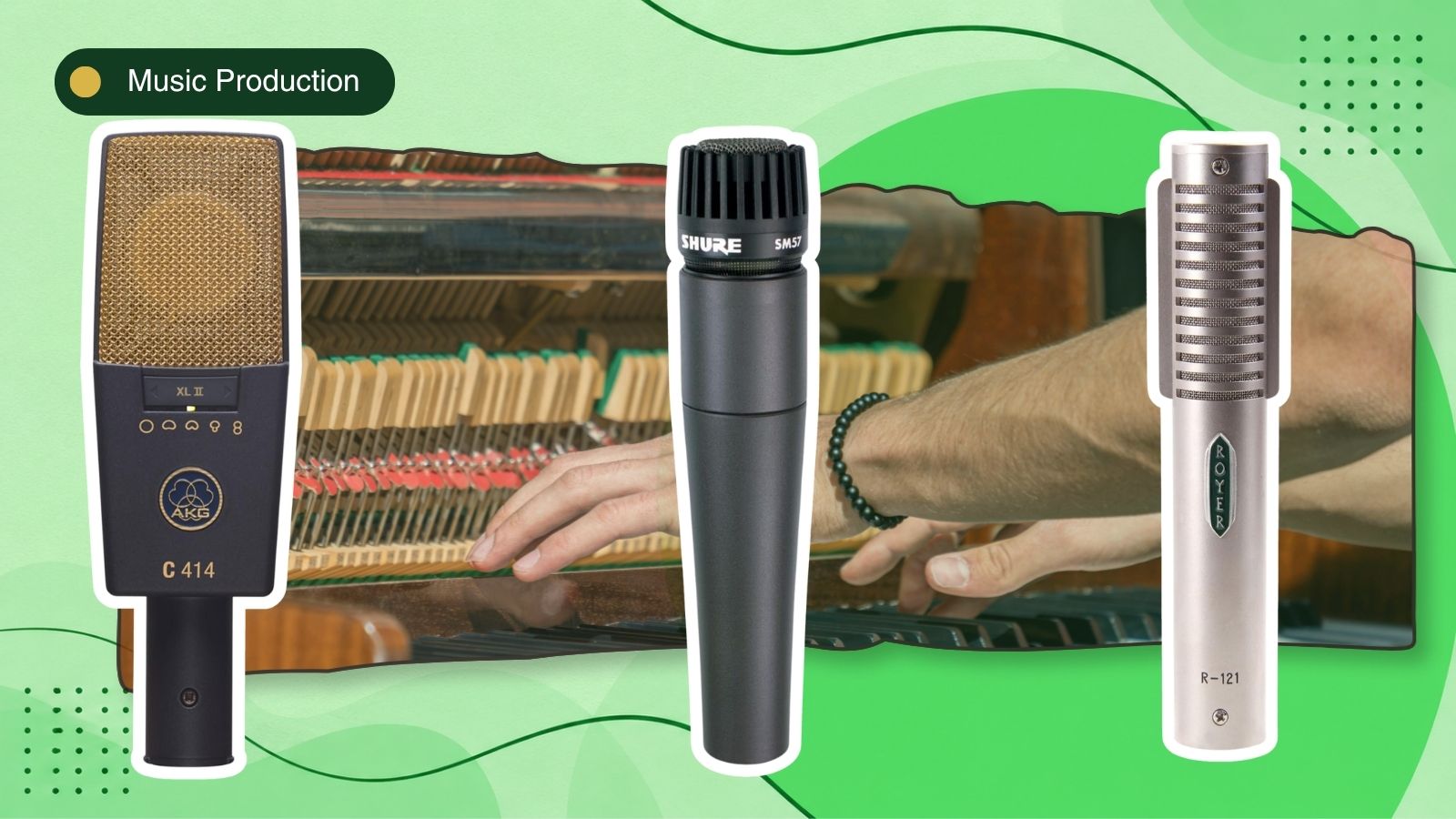
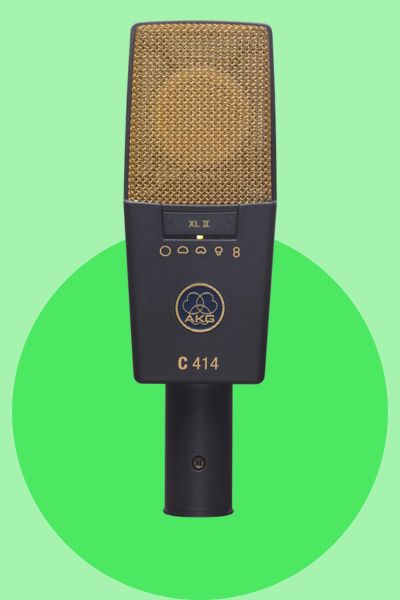
AKG C414
The AKG C414 is a well-known condenser microphone that can work really well when recording an upright piano, especially if you want detail, clarity and a more polished studio sound.
- Condenser microphone
- Detailed piano sound
- Good for stereo recording setups
- Useful for studio recording
Why Is It Great?
For an open upright piano, a condenser microphone like the AKG C414 can help capture the detail of the strings, the resonance of the body and the natural movement of the instrument. It is the kind of mic I would look at if you want a cleaner and more detailed piano recording rather than something rough and direct.
The Pros & Cons of AKG C414
Pros
- Captures fine detail well
- Good for natural piano tone
- Useful for stereo mic techniques
- Strong studio microphone choice
- Works across many instruments, not just piano
Cons
- Expensive compared with basic microphones
- Can pick up room noise easily
- Needs phantom power
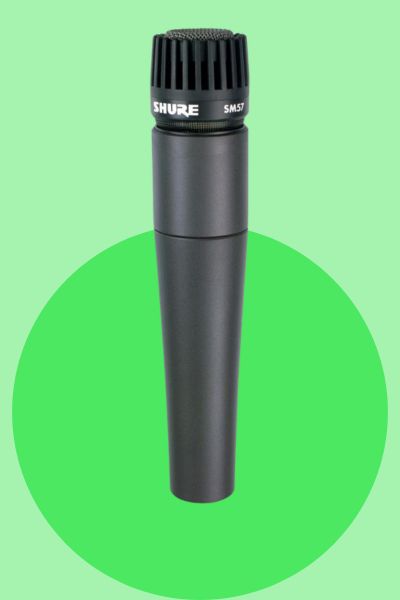
Shure SM57
The Shure SM57 is not the fanciest microphone in the world, but that is kind of the point. It is affordable, durable and has been used on countless instruments in studios and live setups.
- Dynamic microphone
- Durable and affordable
- Good for close miking
- Useful for rock and pop sounds
Why Is It Great?
For upright piano, the SM57 can work if you want a more direct, punchy sound. It might not capture the same wide detail as a condenser mic, but it is a practical choice if you are recording on a budget or want something that can also be used for guitar amps, drums and other instruments.
The Pros & Cons of Shure SM57
Pros
- Affordable microphone option
- Very durable
- Good for close miking
- Useful across lots of instruments
- Does not need phantom power
Cons
- Less detailed than a condenser microphone
- Not the most natural piano sound
- May need careful placement
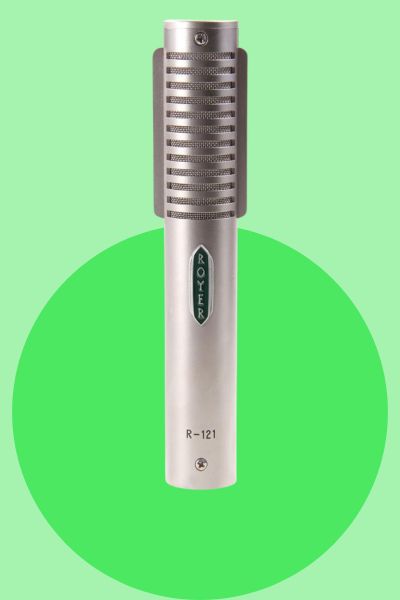
Royer R-121 Studio
The Royer R-121 is a ribbon microphone, which means it sits in a different lane to the condenser and dynamic options. It is known for a smoother, more natural sound that can work nicely when you want warmth rather than sharp detail.
- Ribbon microphone
- Smooth natural tone
- Good for warmth
- Premium studio option
Why Is It Great?
For an upright piano, a ribbon microphone can help soften harshness and capture a more rounded sound. It can be a beautiful choice if the piano is bright, the room is a little harsh or you want the recording to feel warm and musical rather than overly clinical.
The Pros & Cons of Royer R-121 Studio
Pros
- Smooth and natural sound
- Good for warmth
- Can soften bright instruments
- Premium studio tone
- Useful for piano, guitar amps and strings
Cons
- Expensive
- More delicate than a dynamic microphone
- May need more careful handling
- Not the first mic most beginners should buy
FAQ
Why do people open upright pianos when recording?
People open upright pianos when recording so they can place microphones closer to the strings, hammers and soundboard. This usually gives more clarity, detail and control.
Does opening an upright piano make it sound better?
It can, but it depends on the piano, room and song. Opening the piano usually makes the sound clearer and more direct, but sometimes a closed piano sound can work if you want something softer or more muted.
What microphone is best for recording upright piano?
A condenser microphone is often a good choice because it captures detail and clarity. Dynamic microphones can work for a more direct sound, while ribbon microphones can be nice if you want warmth.
Can I record an upright piano at home?
Yes, you can record an upright piano at home. The room will make a big difference, so experiment with opening the piano, moving the microphones and listening carefully before recording the final take.
Should I use one or two microphones on upright piano?
You can use either. One microphone can work for a simple recording, but two microphones can give you a wider stereo sound if you place them carefully.
In Summary – Why Open An Upright Piano To Record With Mics
Removing the front panel of an upright piano can help improve the clarity, resonance and control of the recorded sound.
It gives you better access to the strings, hammers and soundboard, which means you can place microphones more deliberately.
With the panel closed, the piano can sound more muffled or boxed in. With the panel removed, it can sound brighter, clearer and more open.
It also gives you more options for microphone placement. You can close mic for detail, use room mics for ambience or use stereo techniques like X/Y and mid-side depending on the sound you want.
The microphone type also matters:
Condenser microphones are great for detail and clarity.
Dynamic microphones can work for a more direct and punchy sound.
Ribbon microphones can give a smoother and warmer tone.
Many iconic recordings have used careful piano microphone techniques to capture the full beauty and character of the instrument.
As always, thanks very much for reading and let me know in the comments if you have any questions, opinions or ideas for my next article.
Have a great one!
ABOUT THE AUTHOR