 By Matt
• Buying Guides
• Published 17 Mar 2024 • Updated 17 July 2026
By Matt
• Buying Guides
• Published 17 Mar 2024 • Updated 17 July 2026
Why Are There Different Guitar Slide Materials?
Before you start reading, just letting you know that my site contains affiliate links, at no extra cost to you, but they may give me a small commission to help run the site. Feel free to get extra info on my disclaimers page. Thanks and on with the show...
My first encounter with this enchanting device was through the melodic mastery of George Harrison, leading me deeper into the realm of slide guitar.
While I have not mastered it myself yet, I could not help but wonder why slides are made from different materials in the first place. Glass, metal, ceramic, brass, bone and even wood all seem to exist for a reason.
So this article is my attempt to make sense of it.
A guitar slide looks simple, but the material can change the tone, feel, weight and sustain. It can make the guitar sound smooth and warm, bright and cutting or somewhere in the middle.
So the question is simple: why are there different slide guitar materials and does it actually matter?
Let’s take a look.
What is a Slide for Guitar?
A guitar slide is a cylindrical object that is usually worn on one finger and moved along the guitar strings.
Instead of pressing the string down onto the fret like normal, you glide the slide across the strings to create smooth pitch changes, long notes and that singing glissando effect that slide guitar is famous for.
Slides are usually made from glass, brass, steel, ceramic or other materials. Each material has a slightly different feel and sound, which is why there are so many options.
A glass slide might sound smoother and warmer. A brass or steel slide might sound brighter and stronger. A ceramic slide might sit somewhere in the middle.
That is the simple reason the material matters. The slide becomes part of the sound.
What is the History of Slide Guitar Playing?
Slide guitar playing traces back to early blues musicians of the late 19th and early 20th centuries.
Players like Blind Willie Johnson and Son House helped shape the distinct sound associated with slide guitar. It had a vocal quality that could sound mournful, soulful and powerful all at once.
Over time, slide guitar moved beyond blues and into country, rock, folk and even jazz. You can hear it in old acoustic blues recordings, classic rock songs, country music and more modern roots-based playing.
That is one of the best things about slide guitar. It can sound old and raw, but it can also sound modern and expressive depending on the player.
The technique is simple to understand but hard to control well. That is probably why it has such a strong personality when it is played properly.
What Sound Does Slide Guitar Produce?
The sound of slide guitar depends on the guitar, the slide material, the tuning, the amp and the player.
Generally, slide guitar adds a smooth and soulful quality to the notes. Instead of jumping cleanly from one fret to the next, the notes glide into each other. That gives slide guitar its vocal-like sound.
A glass slide can sound warm, round and a little softer. A metal slide can sound brighter, louder and more cutting. A ceramic slide can give a more balanced sound with some warmth and some edge.
Effects can also change the sound. Reverb, delay and overdrive can all make slide guitar feel bigger and more expressive. But even with no pedals at all, a slide can completely change the way a guitar speaks.
That is why the slide material is worth thinking about. It is not just a small accessory. It becomes a real part of the tone.
How Do You Actually Play With A Guitar Slide?
Playing slide guitar uses a few important techniques.
The main technique is sliding, where you move the slide along the strings to change pitch smoothly. This is what gives slide guitar that flowing, vocal sound.
Vibrato is another big one. You create it by gently moving the slide back and forth around the note. It can make the note feel more emotional and alive.
Muting is also important. When you play slide, unwanted string noise can get messy quickly. Your other fingers and picking hand need to help quiet the strings you do not want to hear.
Damping is similar. It means controlling the sustain and extra noise so the notes stay clean.
Slide guitar can sound simple from the outside, but the control takes practice. A lot of the sound comes from touch, pressure, muting and listening carefully.
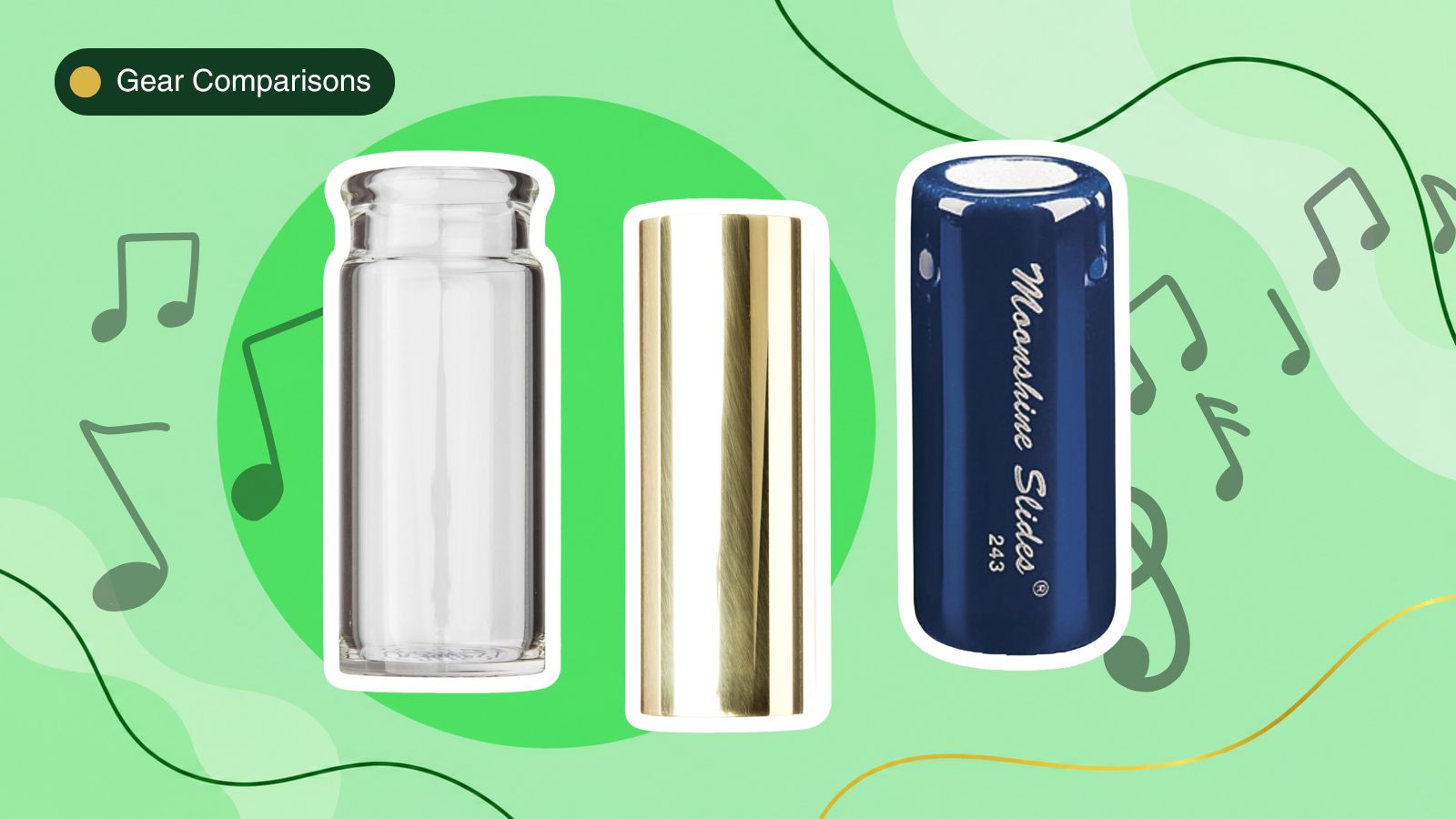
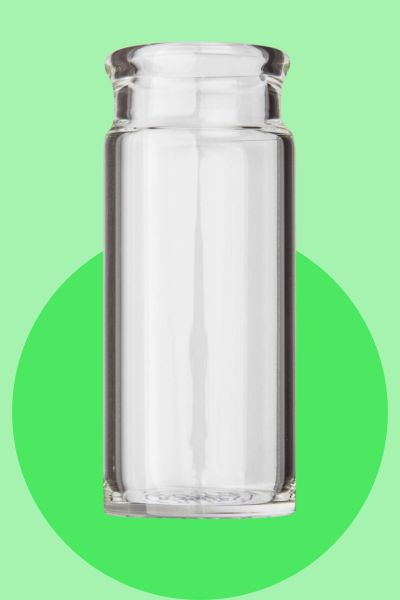
Dunlop Blues Bottle Glass Slide
A glass slide is probably the first place I would start for a lot of beginners. It gives you that smooth, singing slide sound without feeling too harsh or heavy under the finger.
- Glass slide material
- Smooth and warm tone
- Popular for blues and folk styles
- Comfortable beginner option
Why Is It Great?
The Dunlop Blues Bottle style slide is a good example of why glass slides are so popular. They tend to have a warmer and smoother tone, which makes them great for blues, folk and more expressive playing. If you are just starting to explore slide guitar, glass can feel a little more forgiving than some heavier metal slides.
The Pros & Cons of Dunlop Blues Bottle Glass Slide
Pros
- Smooth tone
- Warm sound
- Good for blues
- Comfortable slide feel
Cons
- Can break if dropped
- Less bright than metal
- Not always the best for heavier rock tones
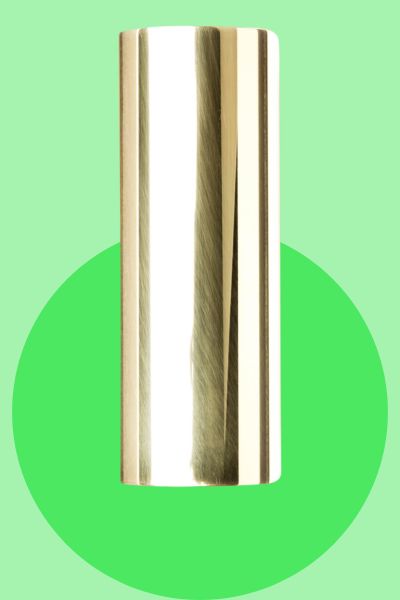
Dunlop 222 Brass Slide
A brass slide gives you a brighter and more direct sound. It usually feels heavier than glass and can bring out more attack, sustain and bite from the guitar.
- Brass slide material
- Bright and cutting tone
- Strong sustain
- Good for rock and blues
Why Is It Great?
The Dunlop 222 Brass Slide is a strong option if you want the slide to really speak. Brass can sound bold and cutting, which works well for blues-rock, lead lines and moments where you want the slide guitar to push forward in the mix.
The Pros & Cons of Dunlop 222 Brass Slide
Pros
- Bright tone
- Strong sustain
- Good for rock
- Cuts through a mix
Cons
- Can feel heavier
- May sound too sharp for some players
- Less soft than glass
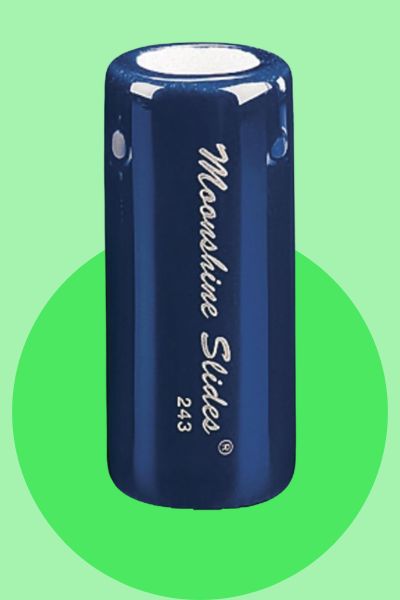
Moonshine Slides® Ceramic Medium Slide
A ceramic slide sits somewhere between the smoothness of glass and the attack of metal. It can be a good option if you are still figuring out exactly what kind of slide sound you like.
- Ceramic slide material
- Balanced tone
- Smooth feel with some edge
- Good for mixed playing styles
Why Is It Great?
Ceramic slides can give you a balanced tone with a bit of warmth and a bit of edge. That makes them useful if you do not want the slide to sound too soft, but also do not want the sharper cut of brass or steel. It is a nice middle-ground material for players who want some character without going too far in one direction.
The Pros & Cons of Moonshine Slides® Ceramic Medium Slide
Pros
- Balanced tone
- Versatile sound
- Good middle ground
- Useful across styles
Cons
- Less common than glass or brass
- Can vary by maker
- May take time to find the right feel
FAQ
What is the best guitar slide material?
There is no single best material. Glass is usually smoother and warmer, brass is brighter and louder, and ceramic gives a more balanced sound.
Is a glass slide good for beginners?
Yes, a glass slide can be good for beginners because it usually feels smooth and gives a warm, musical tone.
What does a brass guitar slide sound like?
A brass guitar slide usually sounds brighter and more cutting, with strong sustain. It can work well for rock and louder blues playing.
Can I play slide guitar in standard tuning?
Yes, you can play slide guitar in standard tuning, but many slide players use open tunings because they make full chords easier to play with the slide.
What finger should I wear a guitar slide on?
Many players use the ring finger or pinky, but it depends on comfort and playing style. The main thing is that the slide fits well and gives you control.
In Summary - Why Are There Different Slide Guitar Materials?
Guitar slides come in different materials because each material changes the tone, feel and sustain.
Glass slides usually sound smoother and warmer, which makes them great for blues, folk and expressive playing.
Brass or metal slides usually sound brighter, louder and more cutting, which can work well for rock, blues-rock and stronger lead lines.
Ceramic slides can sit somewhere in the middle, giving a balanced tone with both warmth and edge.
Slide guitar has a rich history rooted in blues and folk music, becoming widely known by the early 20th century before spreading into rock, country and other styles.
Learning slide guitar means mastering the basics, experimenting with different tunings and materials and listening to the players who made the sound famous.
With patience and practice, anyone can start unlocking the soulful sound of slide guitar.
As always, thanks very much for reading and let me know in the comments if you have any questions, opinions or ideas for my next article.
Have a great one!
ABOUT THE AUTHOR