 By Matt
• Gear Comparisons
• Published 4 May 2024 • Updated 7 July 2026
By Matt
• Gear Comparisons
• Published 4 May 2024 • Updated 7 July 2026
Gear Guide: All The Types Of Drum Sticks
Before you start reading, just letting you know that my site contains affiliate links, at no extra cost to you, but they may give me a small commission to help run the site. Feel free to get extra info on my disclaimers page. Thanks and on with the show...
Drumsticks seem simple until you start looking into them.
At first, it feels like a stick is just a stick. Then you see 5A, 5B, 2B, 7A, brushes, rods, mallets and signature models from famous drummers.
Suddenly, the simple stick becomes a whole category of its own.
I am not a drummer, but I have been around enough drummers to know that stick choice matters. It affects feel, volume, control and the kind of sound you can get out of the kit.
This guide is a simple look at the main types of drum sticks, what they are used for and how to think about choosing the right pair.
What Are The Main Types Of Drum Sticks?
There are a few main types of drum sticks that every drummer should be across.
Standard drumsticks are the ones most people think of first. These include common sizes like 5A, 5B, 2B and 7A. They are the sticks most drummers will use for the majority of their playing.
The numbers and letters tell you something about the stick’s size and general use. A lower number usually means a thicker stick, while the letter gives a rough idea of the stick type and weight. It can be confusing at first, but the main thing is how the stick feels in your hands and sounds on the kit.
Brushes are made from wire or plastic strands and are used for softer, sweeping sounds. They are common in jazz and acoustic music.
Rods are made from multiple thin dowels bundled together. They sit between brushes and standard sticks, giving more volume than brushes but less attack than regular sticks.
Mallets have larger heads made from materials like yarn, felt, rubber, leather or synthetic materials. They are used for softer and more atmospheric sounds on cymbals, toms and orchestral percussion.
What Are Drum Mallets Used For?
I did not know a whole lot about drum mallets before looking into this. I think the only time I saw one in the wild was probably in the instrument room in high school.
One of the reasons I started writing this blog was to step outside my current musical knowledge and learn more, so drum mallets were interesting to look into.
A drum mallet is a playing tool with a larger head than a standard stick. The head can be made from felt, yarn, rubber, leather or synthetic material.
Mallets are often used on cymbals, xylophones, timpani and toms. They can create softer, rounder and more atmospheric sounds than regular sticks.
The material and size of the head make a difference. A larger or softer head usually creates a deeper and warmer sound, while harder materials can give more attack.
Although mallets are often associated with classical music, they also appear in pop, film scores and atmospheric drum kit playing.
On cymbals, mallets can create a swelling crescendo effect that builds slowly to a peak. That rolling technique looks simple from a distance but clearly takes a lot of control to get right.
What Are Drum Brushes Used For?
I think almost every drummer I have met has a pair of brushes, but they do not always come out of the drumstick bag.
When they do come out, they are not always used in the way that really makes them shine.
There is serious technique involved in using drum brushes properly.
For people who do not know what drum brushes are, the simplest way to describe them is that they are a drumming tool with a handle and a group of wires or strands coming out of the end.
They are designed to create a softer and more complex sound than regular drumsticks.
Brushes are used a lot in jazz, but they also work well in acoustic settings where you still want a drum beat without the drums overpowering everything else.
Before the well-known metal wire brush design, brushes could be made from more natural materials like animal hair. Today, metal wires are still common, but synthetic materials are also used and can produce a different sound.
Brushes are not just quiet drumsticks. They are their own technique and sound.
What Other Signature Drumsticks Are Worth Knowing?
Like guitars and other instruments, the best-known drummers often have signature drumsticks.
Signature drumsticks are usually designed with input from the musician. They can reflect the drummer’s preferred size, feel, weight, taper, tip shape and visual design. They often literally have the drummer’s signature or name printed on them.
The interesting thing is that signature drumsticks are usually much more affordable than other signature instruments. A signature guitar might cost a lot, but signature sticks are still something many players can actually try.
The original article included several famous drummer signature options beyond the five product cards above.
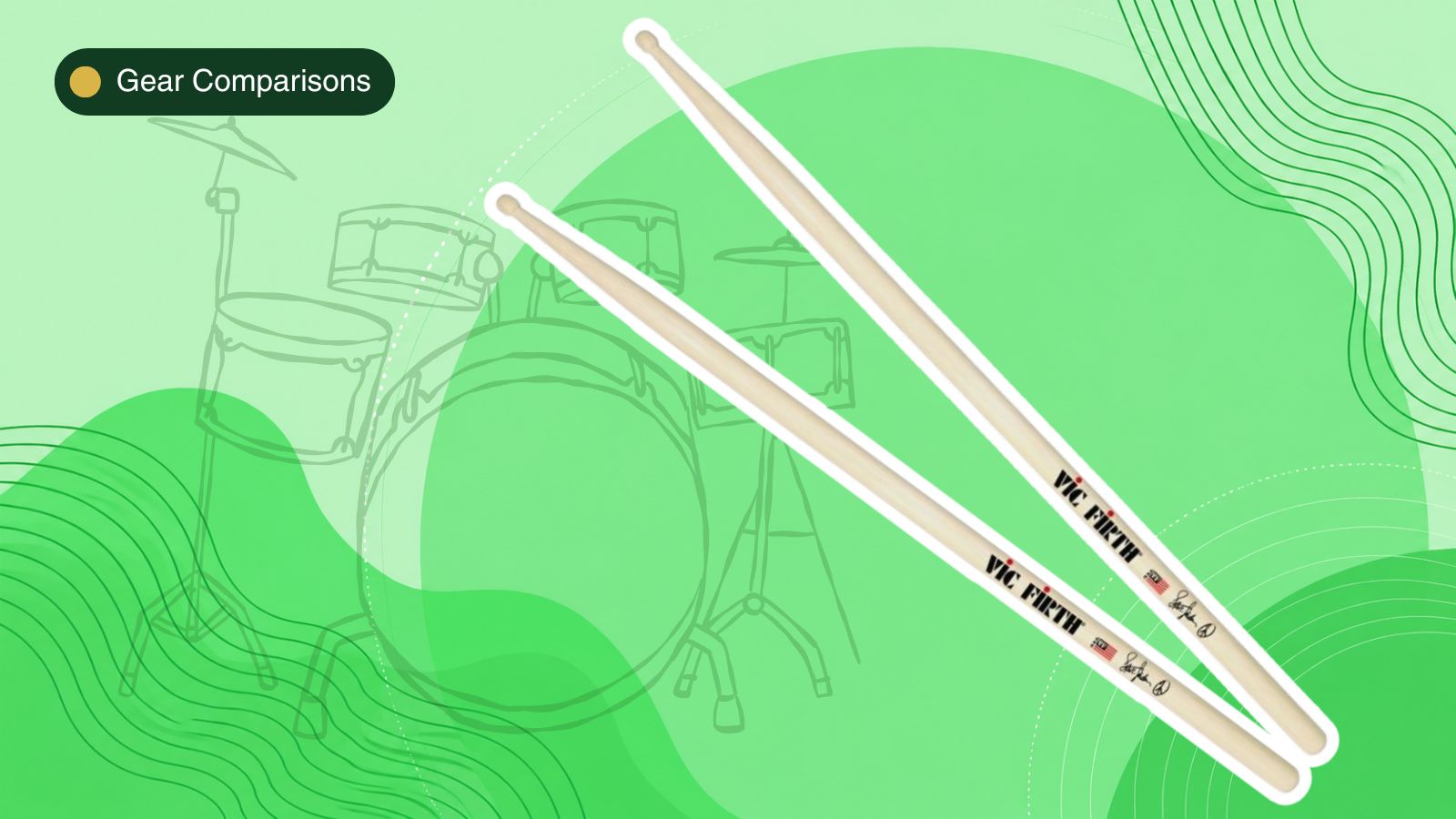
Steve Jordan has a Vic Firth Signature Series stick.
Neil Peart has ProMark signature drumsticks.
Questlove has a Vic Firth Signature Series option.
Tommy Lee has Motley Crue concert drumsticks.
Lars Ulrich also has signature drumsticks.
The best way to approach signature sticks is not to buy purely because of the name. Choose one if the size, weight and feel suit the way you play. The artist connection is fun, but the stick still has to work in your hands.
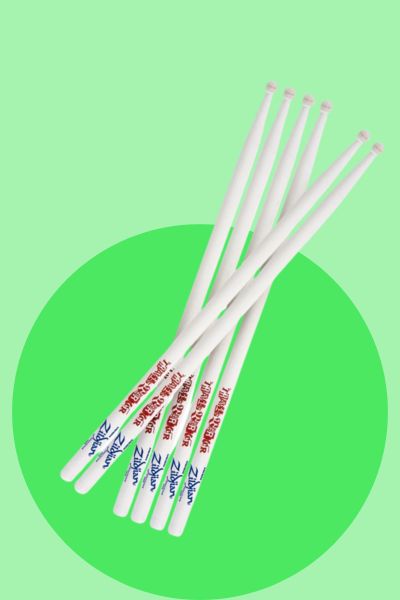
Zildjian Travis Barker Signature Drumstick 3-Pack
The Zildjian Travis Barker Signature Drumstick 3-Pack makes sense for players who like heavier, energetic and more aggressive drumming styles.
- Signature Travis Barker model
- 3-pack option
- Good for energetic playing
- Linked with pop punk drumming
Why Is It Great?
Travis Barker is one of the most recognisable drummers in modern pop punk and rock, so his signature sticks are a natural fit for drummers who want something connected to that kind of playing. The 3-pack also makes sense because drumsticks wear out, especially if you hit hard.
The Pros & Cons of Zildjian Travis Barker Signature Drumstick 3-Pack
Pros
- Good value as a multi-pack
- Strong artist connection
- Good for energetic playing
- Useful for punk and rock styles
- Easy signature stick option for fans
Cons
- May not suit softer playing styles
- Artist models are not automatically right for everyone
- Can feel too specific if you are still experimenting
- Heavy hitters may still go through them quickly
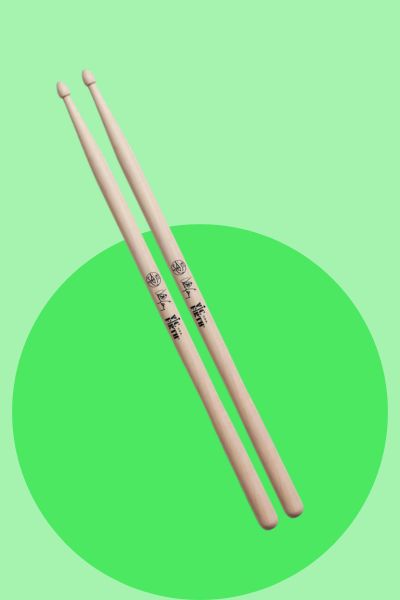
Vic Firth Signature Series Danny Carey
The Vic Firth Danny Carey Signature Series is one of the more interesting artist models because it is linked with a drummer known for serious technical ability and heavy progressive playing.
- Signature Danny Carey model
- Good for technical players
- Linked with progressive rock
- Strong artist design
Why Is It Great?
Danny Carey’s playing with Tool is powerful, detailed and very controlled. A signature stick connected to that style makes sense for drummers who want something more serious than a basic beginner pair. It is not necessarily the first stick I would hand to a total beginner, but for players who know what they want, it is worth looking at.
The Pros & Cons of Vic Firth Signature Series Danny Carey
Pros
- Great artist association
- Good for technical rock players
- Strong option for Tool fans
- More specialised than a standard pair
- Useful for players wanting something different
Cons
- May not suit beginners
- Could feel too specific for general use
- Not the cheapest option
- The artist connection may matter more than the practical fit
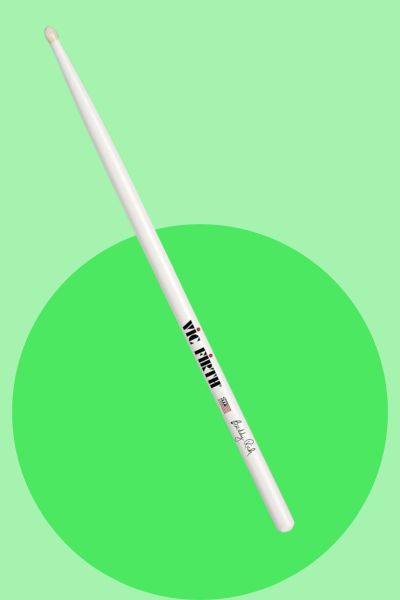
Vic Firth Signature Series Buddy Rich
The Vic Firth Buddy Rich Signature Series is a great example of a signature stick tied to one of the most famous drummers in history.
- Signature Buddy Rich model
- Classic drummer association
- Good all-round feel
- Linked with jazz and big band playing
Why Is It Great?
Buddy Rich is one of those names that comes up any time people talk about legendary drummers. His signature sticks are a good reminder that artist sticks are not only for modern rock and punk players. This is the one I would choose as the best overall signature stick from this list because it connects classic drumming history with a practical everyday product.
The Pros & Cons of Vic Firth Signature Series Buddy Rich
Pros
- Classic drummer connection
- Good all-round signature option
- Strong choice for traditional players
- Useful for jazz and big band inspiration
- More affordable than many signature instruments
Cons
- May not suit heavy rock players
- Not as modern-feeling as some artist sticks
- Signature name does not guarantee personal fit
- Still worth testing against standard stick sizes
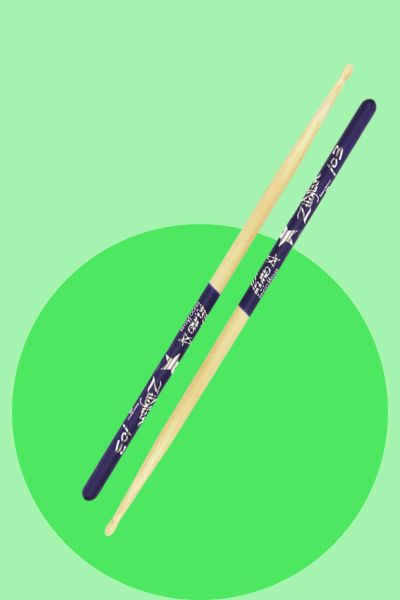
Zildjian Ringo Starr Artist Series Drumsticks
The Zildjian Ringo Starr Artist Series Drumsticks are the obvious choice if you are a Beatles fan or someone who appreciates simple, musical drumming.
- Ringo Starr artist model
- Classic Beatles connection
- Good collector-style option
- Useful for lighter classic rock inspiration
Why Is It Great?
Ringo’s playing is often misunderstood by people who think simple means easy. His parts served the song, and that is one of the best lessons any drummer can learn. These sticks are a nice artist option for players who want something connected to classic song-focused drumming.
The Pros & Cons of Zildjian Ringo Starr Artist Series Drumsticks
Pros
- Great Beatles connection
- Good for fans and collectors
- Linked with song-focused drumming
- Accessible artist series option
- Nice classic rock association
Cons
- May not suit heavy hitters
- More fan-focused than technical-feature focused
- Not the only option for classic rock playing
- Still needs to feel right in your hands
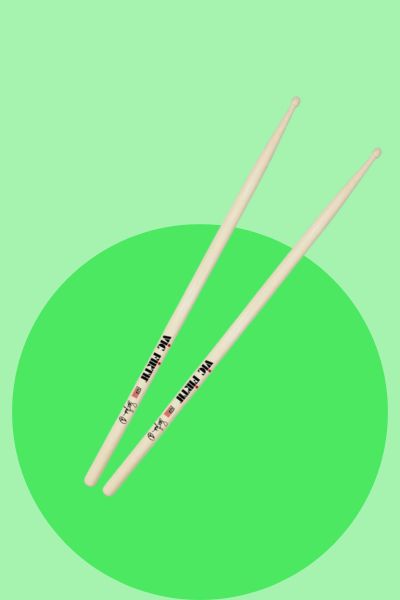
Vic Firth Signature Series -- Steve Jordan
The Vic Firth Signature Series Steve Jordan drumsticks are a good choice for players who care more about feel, pocket and groove than just hitting as hard as possible.
- Steve Jordan signature model
- Good for groove-focused playing
- Useful for funk, soul, blues and rock
- Artist-designed stick option
Why Is It Great?
Steve Jordan is one of those drummers who shows how much power there is in restraint. His playing is about groove, timing and making the song feel right. These signature sticks make sense for drummers who want something connected to that kind of musical, pocket-focused playing rather than a stick designed only for volume and attack.
The Pros & Cons of Vic Firth Signature Series -- Steve Jordan
Pros
- Strong signature drummer connection
- Good for groove-based playing
- Useful for soul, funk, blues and rock
- Accessible artist stick option
- Nice choice for players who value feel and control
Cons
- May not suit very heavy hitters
- Not as general as a standard 5A or 5B
- Artist sticks still need to feel right in your hands
- May appeal more to experienced players than beginners
FAQ
What drum sticks should a beginner use?
Most beginners should start with 5A drum sticks because they are balanced and work across many styles.
What is the difference between 5A and 5B drum sticks?
5B sticks are thicker and heavier than 5A sticks, so they are better for louder playing and harder hitters.
What are 7A drum sticks good for?
7A sticks are lighter and thinner, making them useful for quieter playing, jazz, softer styles and some younger players.
Are nylon tip drum sticks better?
Not always. Nylon tips can sound brighter on cymbals, while wood tips usually give a more natural sound.
What wood is best for drum sticks?
Hickory is the most common choice because it offers a good balance of strength, weight and shock absorption.
In Summary – All The Types Of Drum Sticks
Drumsticks come in several different types, and each one can change the way a drummer sounds and plays.
Standard sticks like 5A, 5B, 2B and 7A are the everyday options most drummers will use most often.
Brushes produce softer, sweeping sounds and are especially useful in jazz and acoustic settings.
Rods sit between brushes and regular sticks, giving a softer sound than standard sticks but more volume than brushes.
Mallets are used for soft, muted and atmospheric tones on drums, cymbals and orchestral percussion.
Signature drumsticks are designed around famous drummers and their preferences, making artist-linked gear much more accessible than many other signature instruments.
A few key points to remember:
- Most drumsticks are around 16 inches long, but sizes can vary.
- Lower stick numbers usually mean a thicker stick.
- The best stick depends on your hands, style and sound.
- Brushes and mallets require different techniques from standard sticks.
- Signature sticks can be fun, but they still need to suit your playing.
If you are not sure where to start, try a few common sizes like 5A, 5B, 2B and 7A. Feel how they sit in your hand and listen to how they change the sound of the kit.
That bit of experimenting will make you a more knowledgeable drummer in the long run.
ABOUT THE AUTHOR