 By Matt
• Buying Guides
• Published 20 Sept 2025 • Updated 6 July 2026
By Matt
• Buying Guides
• Published 20 Sept 2025 • Updated 6 July 2026
6 legendary music venues you can still explore through books
Before you start reading, just letting you know that my site contains affiliate links, at no extra cost to you, but they may give me a small commission to help run the site. Feel free to get extra info on my disclaimers page. Thanks and on with the show...
Some venues aren’t just buildings. They are the places where music history was written.
They are the rooms, streets and neighbourhoods where scenes came alive, careers were launched and entire styles of music found their identity. From New York’s gritty punk clubs to the laid-back hills of Laurel Canyon, music venues have always been about more than just the stage.
They are about the people who gathered there, the musicians who took risks there and the moments that somehow became bigger than anyone expected.
This list looks at some of the greatest music venue books for fans who want to step inside those worlds. Some are about famous venues like the Fillmore and CBGB. Others are about cities, neighbourhoods and vanished spaces that shaped the way music sounded.
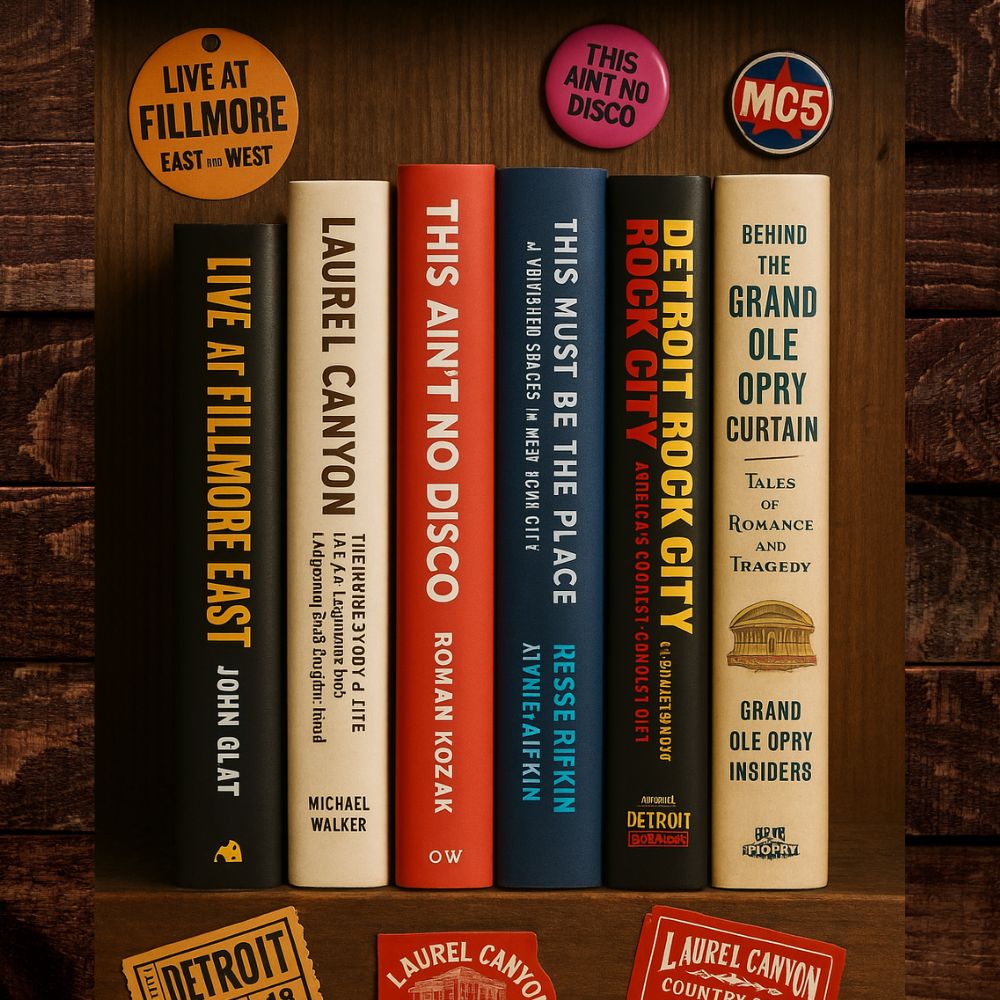
Why Do Music Venues Matter So Much?
Great music does not happen in a vacuum. It happens in rooms, streets, clubs and communities where different people come together.
A venue can shape a scene because it gives musicians somewhere to try things, fail, get louder, get stranger and find an audience. CBGB did that for punk. The Fillmore did that for rock. Laurel Canyon did that in a different way by turning a neighbourhood into a creative meeting place.
That is why books like these matter. They are not just telling stories about buildings. They are showing how places can become part of the music itself.
The Best Music Venue Books Are Really About People
The thing I like about these books is that they are not only about stages, posters and famous names.
They are about the people around the music. The venue owners, the fans, the writers, the neighbourhoods, the messy backstage moments and the communities that formed before anyone knew they would become historically important.
That is what makes a venue legendary. It is not only who played there. It is what happened around the music.
What About The Grand Ole Opry?
The original list also included Behind the Grand Ole Opry Curtain: Tales of Romance and Tragedy. I still think it is worth mentioning because the Grand Ole Opry is one of country music’s most sacred stages.
It is a venue many musicians dream of playing, and its story carries a different kind of weight to places like CBGB or the Fillmore. Where those venues often feel loud, rebellious and chaotic, the Opry feels tied to tradition, legacy and country music history.
I have not added it as one of the five main product cards here only because this overview template works best with five products. It is still a strong extra choice if you are more interested in Nashville and country music history.
Which Book Would I Pick First?
If I had to recommend one, I would start with Live at the Fillmore East and West.
That is partly because the Fillmore venues sit right in the middle of so much rock history. Hendrix, Joplin, the Grateful Dead and that whole late 60s energy make it feel like the kind of book that gives you a proper front-row seat.
But if your taste leans more toward punk, I would go straight to This Ain’t No Disco. If you are more interested in music communities and how creative scenes form, Laurel Canyon or This Must Be the Place might be the better pick.
Live at the Fillmore East and West: Getting Backstage and Personal with Rock’s Greatest Legends
The Fillmore East in New York and Fillmore West in San Francisco were two of the great temples of rock music. These were the rooms where some of the biggest names of the late 60s and early 70s played to audiences who knew they were seeing something special.
- Covers the Fillmore East and Fillmore West
- Focuses on rock’s golden age
- Includes stories around Hendrix, Joplin and the Grateful Dead
- Best for classic rock fans
Why Is It Great?
John Glatt gives readers a front-row seat to the chaos, energy and personality of these two legendary venues. It feels less like a dry history book and more like being dropped into the crowd during one of rock music’s most exciting eras.
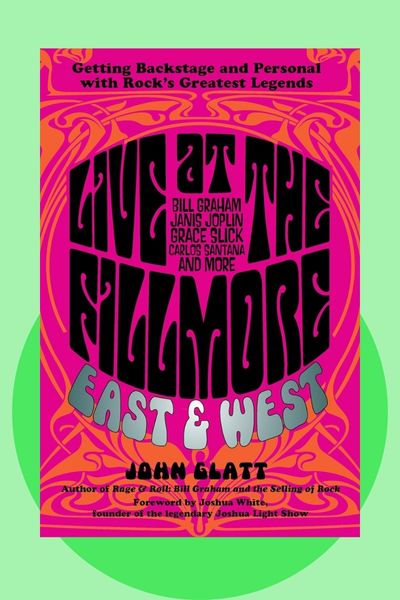
The Pros & Cons of Live at the Fillmore East and West: Getting Backstage and Personal with Rock’s Greatest Legends
Pros
- It feels like stepping into the crowd of the late 60s
- It brings the backstage personalities to life
- It captures the cultural energy of both coasts
- Great choice if you love classic rock history
Cons
- Not ideal if you are looking for a modern venue story
- Some readers may want more technical detail about the venues themselves
Laurel Canyon: The Inside Story of Life in L.A.’s Legendary Rock and Roll Neighborhood
Laurel Canyon wasn’t a venue in the traditional sense, but it absolutely deserves to sit beside the great music spaces. It was the neighbourhood where musicians lived, wrote, crossed paths and helped shape the sound of 60s and 70s rock.
- Explores the Laurel Canyon music scene
- Features major 60s and 70s artists
- Strong focus on community and creativity
- Best for folk rock and classic songwriter fans
Why Is It Great?
Michael Walker paints an intimate picture of the artists, homes and creative relationships that made Laurel Canyon feel like one big musical meeting place. For fans of Crosby, Stills, Nash & Young, Joni Mitchell and The Doors, this is one of those books that helps connect the music to the place it came from.
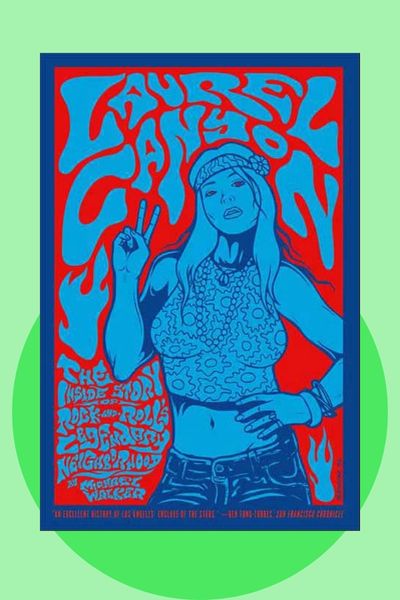
The Pros & Cons of Laurel Canyon: The Inside Story of Life in L.A.’s Legendary Rock and Roll Neighborhood
Pros
- It explains why the community mattered as much as the talent
- It connects personal stories with big cultural shifts
- It makes you feel like you’re right there in the canyon
- Great for fans of singer-songwriters and folk rock
Cons
- Not a single venue book in the strictest sense
- Less focused on live performance than some of the others
This Ain’t No Disco: The Story of CBGB
CBGB was a small, grimy New York club that somehow became one of the most important music venues in the world. It helped give punk and new wave a home before those sounds became part of music history.
- Focuses on New York’s CBGB
- Strong punk rock history
- Features bands like The Ramones, Blondie and Talking Heads
- Best for punk and underground music fans
Why Is It Great?
Roman Kozak captures the raw do-it-yourself energy that made CBGB so important. This is not a polished, glamorous venue story. That is exactly why it works. It shows how a tiny stage, a rough room and a restless scene helped change music.
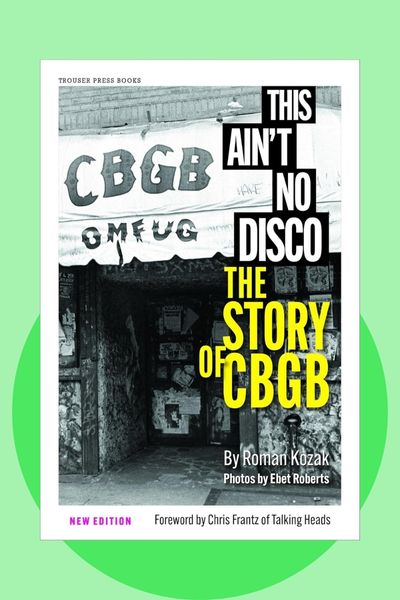
The Pros & Cons of This Ain’t No Disco: The Story of CBGB
Pros
- t captures punk’s raw, do-it-yourself energy
- It has great stories from musicians in a legendary era
- It shows how this tiny stage changed the world
- Perfect for fans of New York punk history
Cons
- The tone may feel rough if you prefer cleaner music histories
- More niche if punk is not your thing
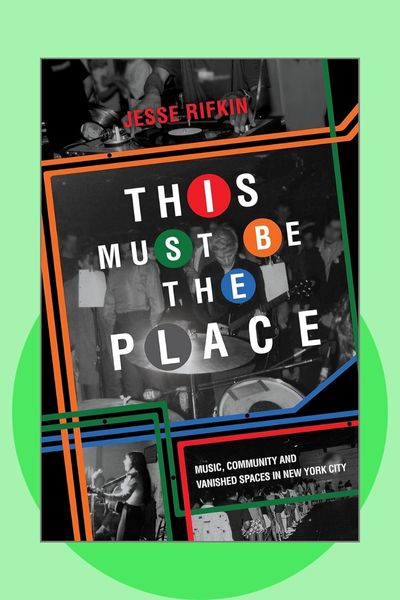
This Must Be the Place: Music, Community and Vanished Spaces in New York City
Some of the most important music spaces are no longer there. This Must Be the Place looks at the venues, rooms and creative communities that helped shape New York music before many of those spaces disappeared.
- Explores vanished New York music spaces
- Combines music history and city history
- Focuses on community and cultural change
- Best for readers interested in scenes, cities and lost venues
Why Is It Great?
Jesse Rifkin connects music history with the story of a changing city. It is a reminder that music scenes need physical spaces to survive. When those spaces vanish, something cultural can disappear with them.
The Pros & Cons of This Must Be the Place: Music, Community and Vanished Spaces in New York City
Pros
- It combines music history with urban storytelling
- It celebrates underground and overlooked venues
- It is a love letter to the cultural power of New York City
- Great for readers who care about music scenes, not just famous artists
Cons
- Less focused on one single famous venue
- May feel broader than a traditional music biography
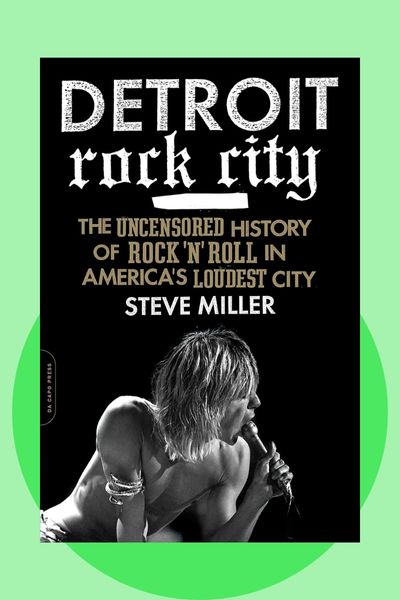
Detroit Rock City: The Uncensored History of Rock ’n’ Roll in America’s Loudest City
Detroit is often linked with Motown, and fairly so, but this book goes into the louder and rougher side of the city’s music history. It looks at the clubs, bands and people who helped make Detroit one of America’s most powerful rock cities.
- Explores Detroit’s rock history
- Looks beyond Motown
- Features artists like The MC5, Iggy Pop and Alice Cooper
- Best for hard rock and garage rock fans
Why Is It Great?
Detroit Rock City is raw, loud and unapologetic. It works because the city itself feels like a character in the story. Through firsthand accounts, it shows how a gritty place helped produce music with real bite.
The Pros & Cons of Detroit Rock City: The Uncensored History of Rock ’n’ Roll in America’s Loudest City
Pros
- It tells Detroit’s story beyond Motown
- It is raw, loud and unapologetic
- It captures the spirit of a city built on grit
- Great for fans of hard rock, punk and garage rock
Cons
- Not focused on one single venue
- The oral history style may not suit every reader
FAQ
What is the best book about legendary music venues?
For me, Live at the Fillmore East and West is the best place to start. It covers two of the most important rock venues of all time and gives you stories around artists like Hendrix, Joplin and the Grateful Dead.
Is Laurel Canyon really a music venue?
Not in the normal sense. Laurel Canyon was a neighbourhood, not a single stage or club. But it became such an important creative place for 60s and 70s musicians that it fits naturally beside famous venues like CBGB and the Fillmore.
What book should I read if I love punk music?
This Ain’t No Disco: The Story of CBGB is the strongest choice if you are interested in punk. CBGB helped launch and support bands like The Ramones, Blondie and Talking Heads, so it is a key part of punk and new wave history.
Are these books only for musicians?
No. These books are good for anyone interested in music history, famous artists, music cities or the places where creative scenes start. You do not need to be a musician to enjoy them.
Which book is best for New York music history?
There are two strong options. This Ain’t No Disco is best if you want the CBGB and punk story. This Must Be the Place is better if you want a broader look at New York music spaces, communities and vanished venues.
In Summary – The Greatest Music Venue Books
Music venues are more than just stages. They are places where scenes form, musicians take chances and audiences become part of the story.
From CBGB’s dirty floors to the hills of Laurel Canyon, these books show how important a physical place can be to the sound and spirit of music.
My top pick is Live at the Fillmore East and West because it puts you right in the middle of two of rock’s most legendary stages. But each book has something different to offer, depending on the kind of music history you are drawn to.
A few quick takeaways:
- Live at the Fillmore East and West is the best starting point for classic rock fans.
- Laurel Canyon is the best choice if you love songwriter communities and 60s rock culture.
- This Ain’t No Disco is the one to pick if CBGB and New York punk are your thing.
- This Must Be the Place is great if you care about vanished venues and the communities behind them.
- Detroit Rock City is perfect if you want a louder, grittier rock history beyond the usual stories.
One final shout out. Amazon is still one of the easiest places to find these books, check reader reviews and compare formats like paperback, Kindle and Audible.
As always, thanks very much for reading. Let me know in the comments if you have any questions, opinions, or ideas for my next article.
Have a great one!
ABOUT THE AUTHOR