 By Matt
• Buying Guides
• Published 9 May 2024 • Updated 7 July 2026
By Matt
• Buying Guides
• Published 9 May 2024 • Updated 7 July 2026
Top 5 Books On How To Learn Music Production
Before you start reading, just letting you know that my site contains affiliate links, at no extra cost to you, but they may give me a small commission to help run the site. Feel free to get extra info on my disclaimers page. Thanks and on with the show...
The whole world of music production is large and complex, but also ironically subtle.
When I started to move past the simple act of recording with a single microphone or the iPhone recorder app, I was really confused and had no idea where to start.
The popular and quickest approach these days is to search YouTube for tutorials that you can follow along with. I have done this with great success, but I also acknowledge some challenges.
Sometimes it can take a long time to find a channel that is at the right level for your current knowledge.
There is so much content that there is no structure to your learning.
Unless you are writing notes or using the lesson every day, it can be hard to go back and revise when you need to refresh your brain.
That is why I still find it useful to buy a book to supplement learning, or at least use the book as the main source and then use YouTube to demonstrate what you have just read.
Why Use Books To Learn Music Production?
For me, using music production books greatly increased my knowledge.
I still pick them up today when I cannot work something out or need a refresher. I like having a book next to me at my mixing desk because it gives me something structured to return to.
YouTube is useful, but it can be scattered. One video might explain compression, the next might jump straight into mastering or a plugin review. That can be helpful, but it can also make learning feel messy.
A good book gives you a beginning, middle and end.
It can take you through the basics, then slowly build toward more advanced ideas. It also gives you something to mark, revisit and keep next to you while you work.
Books also often go deeper into the concept rather than scratching the surface. Some videos only give you half the information before pushing you toward a course or paywall.
That is not always bad, but sometimes you just want one proper resource that explains the topic clearly.
What Should A Music Production Book Teach You?
A good music production book should help you understand more than just one trick.
It should explain the wider process: recording, editing, mixing, arranging, listening, problem-solving and sometimes mastering.
If you are new, a book should help you understand your gear. That includes your audio interface, microphone, DAW, headphones, monitors and room setup.
If you are learning to mix, a book should help explain EQ, compression, reverb, delay, panning, gain staging and how different instruments sit together.
If you are more creative, a book should help you think differently about sound. That is where something like Recording Unhinged becomes useful.
The best book for you depends on where you are in the learning process.
A beginner may need Home Recording For Dummies.
A home mixer may need Mixing Secrets for the Small Studio.
Someone who wants a serious reference book may need Mixing Audio.
The important thing is choosing a book that matches your current level, not the book that just sounds the most advanced.
Should You Use Books Or YouTube To Learn Music Production?
I do not think this needs to be a battle between books and YouTube.
The best approach is probably to use both.
Books are great for structure. They help you understand the full process and give you something to come back to when you forget a concept.
YouTube is great for demonstration. If you read about compression in a book, then watch someone use compression on a vocal, the idea can start to make more sense.
That is how I like to use both. Read the concept, then watch or hear it in action.
The problem with only using YouTube is that you can end up jumping between random tips without building a proper foundation.
The problem with only using books is that music production is sound-based, so sometimes you need to hear what the author is talking about.
Together, they work well.
A book gives you the structure. A video gives you the demonstration. Your own music gives you the practice.
What Other Music Production Books Are Worth Knowing?
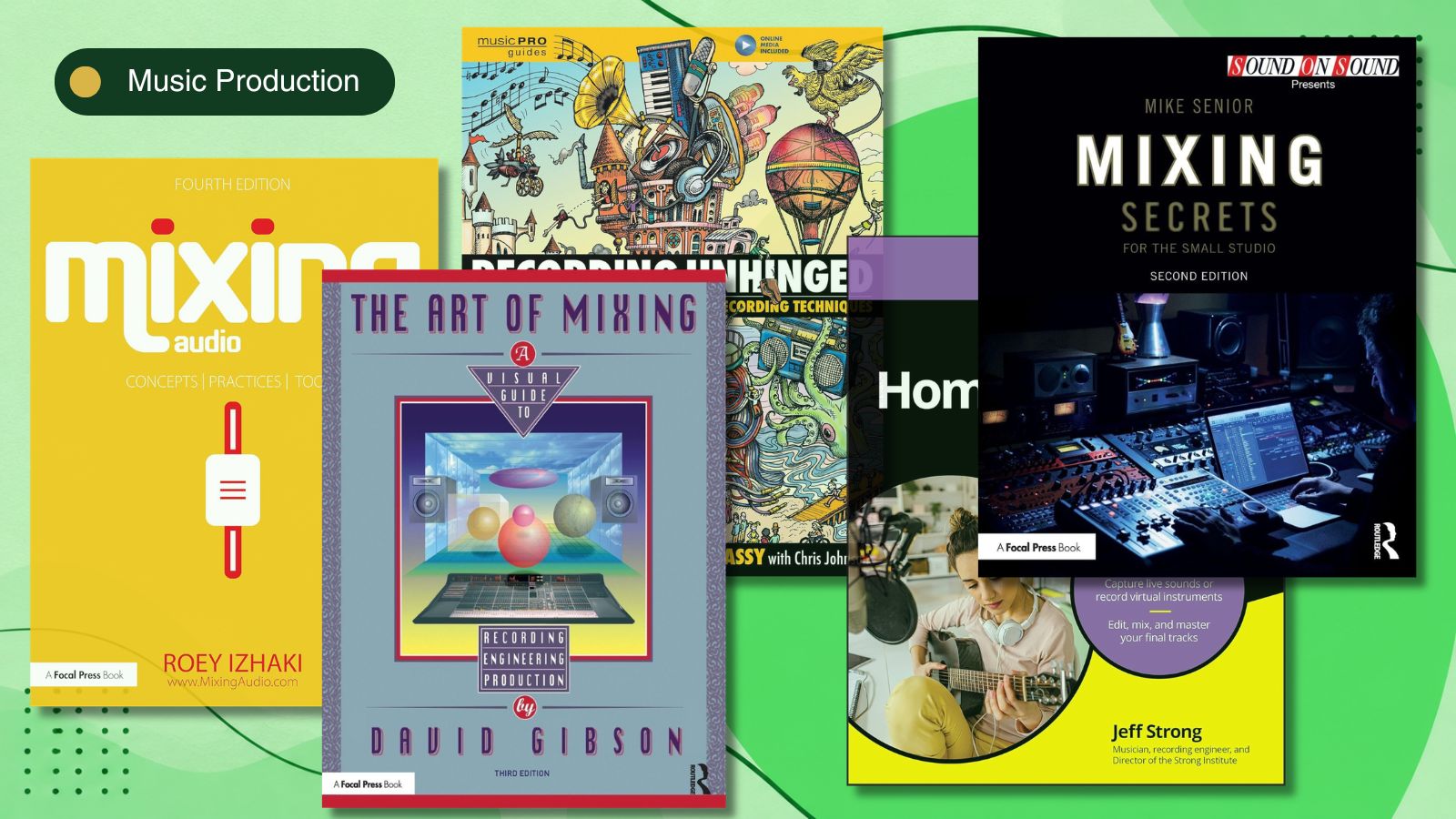
The five books above are the main picks for the overview cards, but the original list includes five more that are still worth knowing.
Home Studio Recording: The Complete Guide by Warren Huart is useful if you want a broad home recording guide from someone known for helping home recordists through Produce Like A Pro.
The Recording Mindset by Mike Indovina focuses on preparation and planning, which is something a lot of beginners overlook when chasing gear or plugins.
5-Minute Music Producer by Brian Funk is a different kind of book because it gives you daily activities. That can be useful if you want to build music-making into a regular habit.
The Mixing Engineer’s Handbook by Bobby Owsinski combines technical advice with practical experience and includes insight from industry professionals.
Step By Step Mixing by Bjorgvin Benediktsson is useful if you want to simplify your mixing process and focus on only a small number of core plugins.
Not every book needs to do the same thing. Some teach you the full setup. Some teach you mixing. Some give you creative exercises. Some help you think like a better recordist.
That is why this list works best as a learning path rather than a strict ranking.
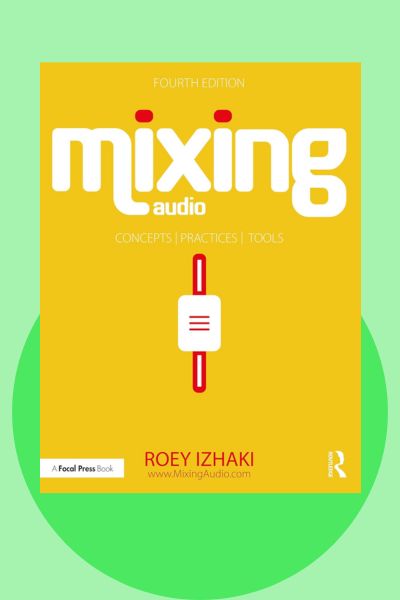
Mixing Audio: Concepts, Practices and Tools, 4th Edition
Mixing Audio: Concepts, Practices and Tools is my top pick from this list. It is the one that was recommended to me by a teacher while I was studying music production, and it is still the book I like having near my desk.
- 592 pages
- Detailed mixing guide
- Good for beginners and experienced engineers
- Includes updated mastering and loudness content
Why Is It Great?
This book gives a deep look at both the art and science of mixing audio. It covers basic sound principles, practical mixing techniques and more advanced concepts without feeling like it is only for experts. The fourth edition also includes updated content around mastering, the loudness war and console emulation, which helps keep it relevant for modern home producers.
The Pros & Cons of Mixing Audio: Concepts, Practices and Tools, 4th Edition
Pros
- Very detailed mixing book
- Useful for beginners and more experienced readers
- Covers both concepts and practical tools
- Updated fourth edition
- Strong long-term reference book
Cons
- Large book may feel overwhelming at first
- More focused on mixing than full music production
- Not a quick casual read
- May be too detailed for absolute beginners who want only basics
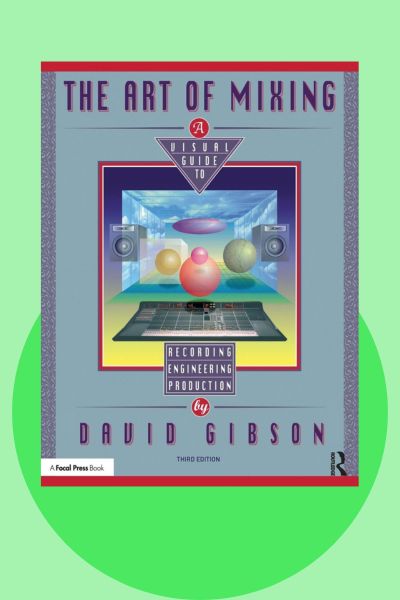
The Art of Mixing: A Visual Guide to Recording, Engineering and Production
The Art of Mixing is useful because it explains sound in a different way. Instead of only describing mixing in technical terms, David Gibson uses visual ideas to help you understand what is happening inside a mix.
- 286 pages
- Visual approach to mixing
- Good for understanding layers
- Useful for beginners and experienced readers
Why Is It Great?
This book is great for people who find normal mixing explanations a bit dry or confusing. The visual approach helps explain how instruments, vocals and effects sit together in a mix. If you struggle to imagine what people mean by space, depth, width and layers, this book can help make those ideas easier to understand.
The Pros & Cons of The Art of Mixing: A Visual Guide to Recording, Engineering and Production
Pros
- Great for visual learners
- Makes mixing concepts easier to picture
- Good for understanding space and layers
- Different from standard technical books
- Useful for beginners and improving mixers
Cons
- Visual style may not suit everyone
- Less traditional than some production books
- Not as broad as a full home recording guide
- May work best alongside other resources
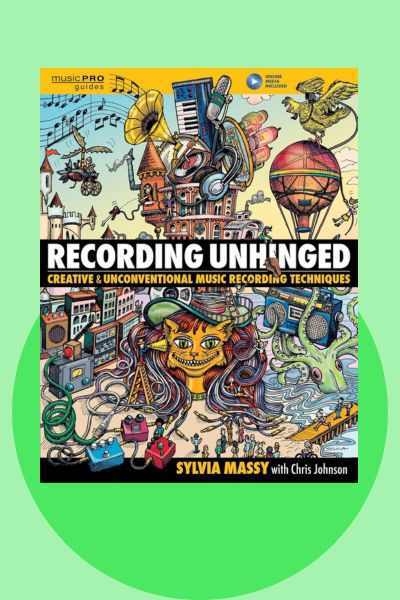
Recording Unhinged: Creative and Unconventional Music Recording Techniques
Recording Unhinged by Sylvia Massy is the book for people who want to move beyond safe and predictable recording ideas.
- 258 pages
- Creative recording techniques
- Includes stories and interviews
- Good for thinking differently
Why Is It Great?
This book encourages creative and unconventional recording methods, but not just for the sake of being weird. It is about understanding when a different approach might give you a better or more interesting result. The stories, interviews and illustrations make it feel more alive than a normal technical manual.
The Pros & Cons of Recording Unhinged: Creative and Unconventional Music Recording Techniques
Pros
- Encourages creative recording ideas
- Good for breaking out of safe habits
- Interesting stories and producer tips
- Beautifully presented
- Great for inspiration
Cons
- Not the most basic beginner guide
- Some techniques may not suit every home setup
- Less structured than a standard textbook
- Best used alongside more practical learning resources
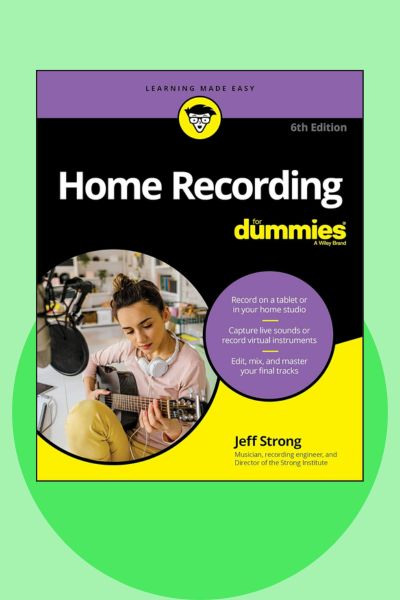
Home Recording For Dummies, 6th Edition
Do not let the “Dummies” title put you off. Home Recording For Dummies is one of those books that can help if you are starting with a cheap interface, a microphone and way too many questions.
- 448 pages
- Beginner-friendly home recording guide
- Covers gear, software and setup
- Good for new home studio owners
Why Is It Great?
This is the best beginner pick because it walks through home recording in a practical way. It covers choosing equipment, setting up a recording space, using software, recording, editing and mixing. If you are just trying to understand what all the pieces do, this is a very useful starting point.
The Pros & Cons of Home Recording For Dummies, 6th Edition
Pros
- Good beginner-friendly language
- Covers the full home recording setup
- Practical gear and software advice
- Useful for people starting from scratch
- Accessible structure
Cons
- May feel basic for experienced producers
- Not as deep on mixing as specialist books
- The title may put some people off
- Covers a lot, so some topics may be lighter than dedicated books
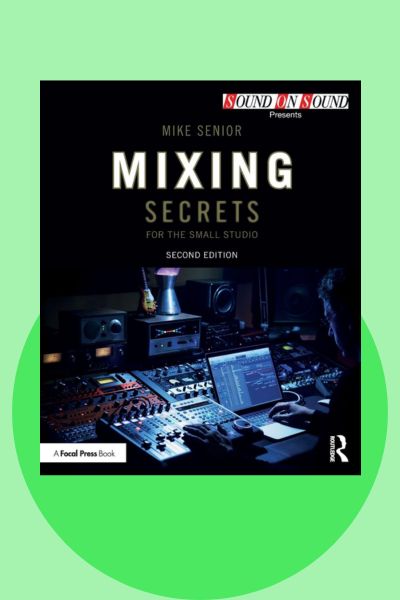
Mixing Secrets for the Small Studio
Mixing Secrets for the Small Studio is aimed directly at the kind of person working from a home or small studio setup.
- 444 pages
- Small studio mixing advice
- Practical home studio techniques
- Good for improving mixes
Why Is It Great?
This book is useful because it does not assume you have a massive studio, perfect room or endless gear. Mike Senior focuses on real-world mixing techniques for people working with limited resources. That makes it a strong option for home producers who want better mixes without pretending they are working in a commercial studio.
The Pros & Cons of Mixing Secrets for the Small Studio
Pros
- Made for small studio environments
- Practical home mixing advice
- Good for improving existing mixes
- Includes professional techniques
- Useful for intermediate learners
Cons
- More focused on mixing than recording
- May be less useful before you understand the basics
- Can be detailed for beginners
- Not a general production overview book
FAQ
Can you learn music production from books?
Yes. Books can help you understand the structure, language and thinking behind music production. They work best when you apply the ideas in your own DAW.
Are books still useful for learning music production?
Yes. YouTube is great for demonstrations, but books give structure and make it easier to revise concepts when you need a refresher.
What music production book is best for beginners?
Home Recording For Dummies is a strong beginner option because it explains home studio setup, gear, recording and mixing in accessible language.
What book should I read to improve mixing?
Mixing Audio, Mixing Secrets for the Small Studio and The Mixing Engineer’s Handbook are all good options for improving mixing skills.
Should I learn music production from books or videos?
Use both. Books give structure, while videos help demonstrate what the concepts sound like in practice.
In Summary - Books On How To Learn Music Production
So there you have it. These are my top books that I feel can help you on your path to music production glory.
Music production can feel confusing when you first start. There is gear to understand, software to learn, rooms to deal with and a whole language of mixing terms that can sound intimidating at first.
Books can help by giving structure to that learning.
A few key points to remember:
- YouTube is useful, but it can be scattered.
- Books can give you a clearer learning path.
- A good music production book can become a long-term reference tool.
- Mixing Audio is my top pick if you want one serious reference book.
- Home Recording For Dummies is a practical starting point for beginners.
- Mixing Secrets for the Small Studio is useful for home producers trying to improve their mixes.
- Recording Unhinged is great if you want creative recording inspiration.
- The Art of Mixing is helpful if you like visual explanations.
The best book depends on your current level, your setup and what you want to improve next.
Please leave me a comment if any of these have been helpful on your journey or if you think I am missing any great books that you have used. I will be sure to take a look and add them to the list.
ABOUT THE AUTHOR