 By Matt
• Gear Comparisons
• Published 30 Mar 2024 • Updated 8 July 2026
By Matt
• Gear Comparisons
• Published 30 Mar 2024 • Updated 8 July 2026
Top Rated Fuzz Guitar Pedals of 2026
Before you start reading, just letting you know that my site contains affiliate links, at no extra cost to you, but they may give me a small commission to help run the site. Feel free to get extra info on my disclaimers page. Thanks and on with the show...
Fuzz Pedals - you might have heard about them, you might even have one. I was chatting to someone that did have one but really wasnt sure what it really was, he just liked the sound - And that is completely fine.
Not all of us need to be over the technical aspects of every piece of equipment owned, if you love you love it right.
But if you do want to know a little more about this fuzztastic device, read on. I will go through what a fuzz pedal does, how it differs from overdrive and distortion and a few top rated fuzz guitar pedals worth looking at.
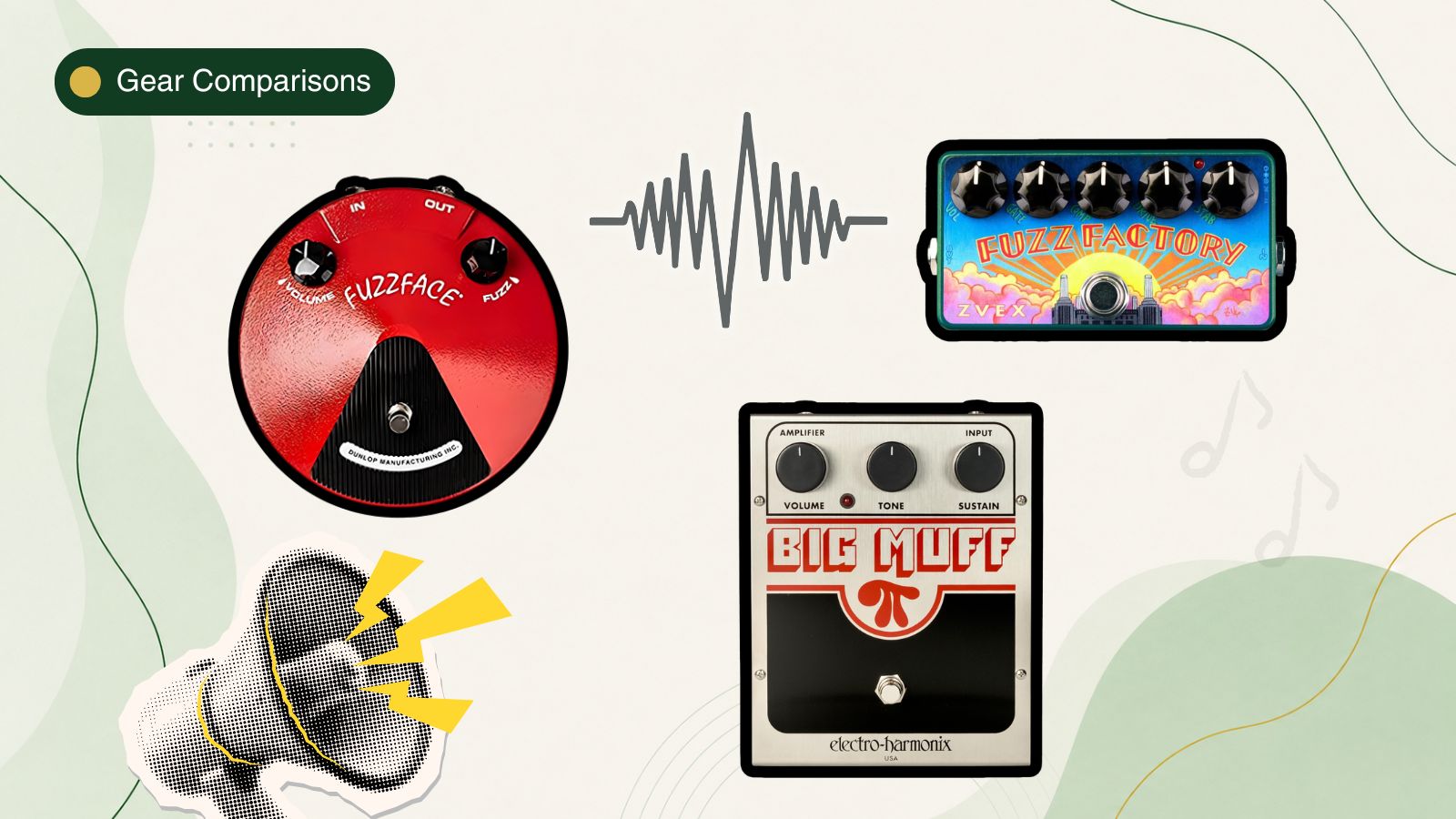
What is a Fuzz Pedal?
At its core, a fuzz pedal is an effect unit that clips the sound wave of your guitar in a very strong and obvious way.
That clipping creates a distorted sound with a rich, warm and gritty texture. That texture is often described as fuzzy, which is where the name makes sense.
But why fuzz?
The word itself kind of sounds like the effect. It is rough, hairy, thick and not clean. A fuzz pedal can make your guitar sound broken in a good way, almost like the signal is being pushed so hard it starts falling apart.
That is the appeal.
Fuzz is not meant to sound polished. It is meant to sound raw, exciting and sometimes a little chaotic. That unique texture is why fuzz has remained popular for so long.
How is Fuzz Different from Overdrive and Distortion?
Fuzz, overdrive and distortion all change your sound by clipping the guitar signal, but they do it in different ways.
Overdrive usually tries to copy the sound of a tube amp being pushed past clean. It is often smoother, warmer and more responsive to how hard you play.
Distortion pushes the sound further. It is usually more aggressive, harder-clipped and more compressed. It works well for rock, punk, hard rock and metal.
Fuzz takes things further again.
It clips the signal in a more extreme way and can create a thick, sustain-heavy and harmonically complex sound. It can feel less controlled than overdrive or distortion, but that is also why it has so much personality.
Overdrive can sound like your amp is working hard.
Distortion can sound like your guitar is getting heavier.
Fuzz can sound like your guitar is tearing itself apart in the best possible way.
What Is The History Of Fuzz Pedals?
What is the History of Fuzz Pedals?
The fuzz pedal's journey is a fascinating one, marked by serendipitous discoveries and sonic experimentation.
Here’s a brief timeline:
1960s:
- The Maestro FZ-1 Fuzz-Tone, one of the first fuzz pedals, is released, finding fame with the Rolling Stones' "I Can't Get No Satisfaction".
Late 1960s:
- Jimi Hendrix and other psychedelic rock artists popularize the use of fuzz for its out-of-this-world sustain and tonal possibilities.
1970s-1980s:
- Fuzz pedals continue to evolve, with manufacturers experimenting with different circuit designs to offer a wider range of sounds.
1990s-Present
- A resurgence in the popularity of analog effects and vintage gear brings fuzz pedals back to the forefront, with both classic models and innovative new designs gaining popularity.
Who Famously Used Fuzz Pedals?
Fuzz pedals have left their mark on the soundscapes of numerous legendary tracks, shaping the tones of some of the most iconic guitarists in music history. Here's a closer look at some musicians and their fuzz pedals of choice:
- Jimi Hendrix / The Jimi Hendrix Experience - The Fuzz Face pedal became synonymous with Hendrix's explosive, expressive sound, notably on tracks like “Purple Haze” and “Voodoo Child (Slight Return).”
- David Gilmour / Pink Floyd - Gilmour’s use of the Big Muff Pi and the Fuzz Face contributed to his signature lead tones, crafting ethereal solos on albums like "The Dark Side of the Moon" and "The Wall."
- Billy Corgan / The Smashing Pumpkins - Corgan's extensive use of the Big Muff Pi helped define the Smashing Pumpkins' massive, layered guitar sound on albums like “Siamese Dream.”
- Jack White / The White Stripes - White has utilized various fuzz pedals, including the Big Muff Pi and the Fuzz Factory, to create his raw, minimalist blues-rock tones.
- Kevin Shields / My Bloody Valentine - Shields' innovative use of the Fuzz Factory, along with an array of other effects, was crucial in creating the band’s distinctive shoegaze sound.
- Josh Homme / Queens of the Stone Age - Homme has been known to use a variety of fuzz pedals, including the Fulltone Ultimate Octave, contributing to his desert rock tones.
- J Mascis / Dinosaur Jr. - Mascis has made the Big Muff Pi a central element of his colossal, feedback-laden solos, defining his sound throughout Dinosaur Jr.’s discography.
- Frank Zappa - Zappa’s use of the Fuzzrite pedal is noted for its contribution to his highly experimental guitar work, offering a distinct tone on many of his recordings.
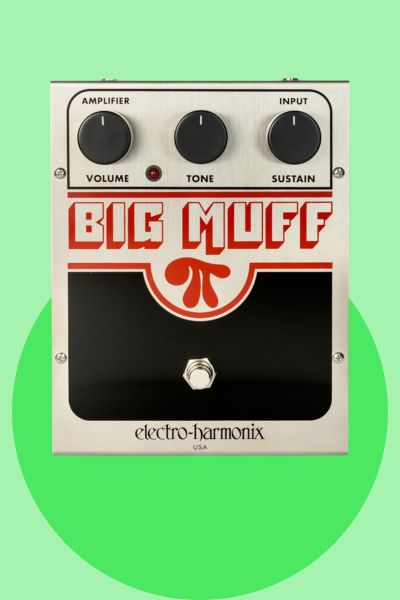
Electro-Harmonix Big Muff Pi
The Electro-Harmonix Big Muff Pi is one of the first pedals I think of when talking about fuzz. It has that thick, sustaining sound that can make a guitar feel huge.
- Legendary fuzz pedal
- Thick creamy sustain
- Used across many genres
- Great for big lead tones
Why Is It Great?
This is my best overall pick because the Big Muff Pi has been a staple on pedalboards for decades. It can give you a big wall of fuzz, long sustain and a tone that works across rock, alternative, shoegaze and heavier sounds. If you want a classic fuzz starting point, this is one of the obvious places to begin.
The Pros & Cons of Electro-Harmonix Big Muff Pi
Pros
- Classic fuzz sound
- Thick sustain
- Famous pedal history
- Works across many guitar styles
Cons
- Can get muddy if overused
- Not the most subtle pedal
- May need careful EQ in a full band mix
- Can dominate your sound quickly
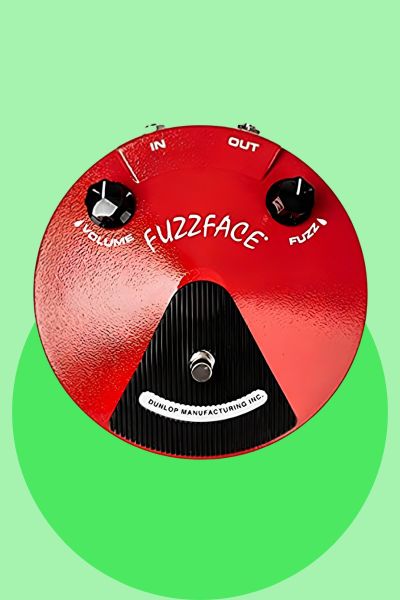
Dunlop Fuzz Face
The Dunlop Fuzz Face is one of the most iconic fuzz pedals ever made. It is strongly linked with the expressive, explosive guitar sounds of the late 60s.
- Vintage-style fuzz
- Warm expressive tone
- Linked with Jimi Hendrix
- Good for psychedelic rock
Why Is It Great?
The Fuzz Face is great if you want something that feels more vintage and touch-sensitive. It can be warm, wild and expressive, especially when paired with the right guitar and amp. It is not always as immediately controlled as some modern pedals, but that is part of its character.
The Pros & Cons of Dunlop Fuzz Face
Pros
- Warm fuzz tone
- Classic Hendrix connection
- Expressive feel
- Vintage character
Cons
- Round shape can be awkward on some pedalboards
- Can be less predictable than modern pedals
- May not suit players wanting tight modern fuzz
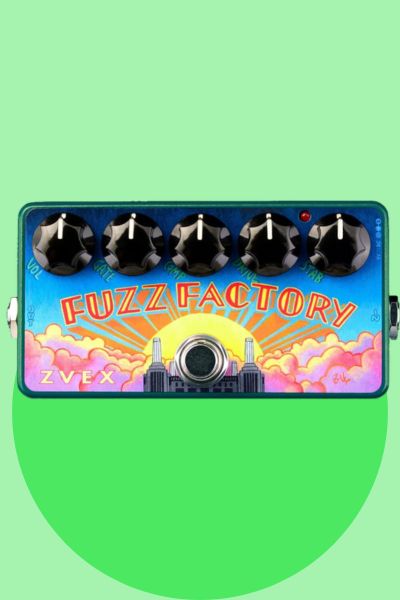
ZVEX Fuzz Factory
The ZVEX Fuzz Factory is for players who want fuzz to get strange, unstable and very expressive. It is not just a simple “turn it on and get classic fuzz” pedal.
- Highly adjustable fuzz
- Wild experimental sounds
- Good for noise and shoegaze
- Strong tone-shaping options
Why Is It Great?
This pedal is great because it shows how far fuzz can go. It can create more traditional fuzz sounds, but it is better known for wild, gated, squealing and experimental textures. If you like shoegaze, noise rock, alternative music or sounds that feel a little out of control, this is the kind of fuzz pedal that opens up a lot of options.
The Pros & Cons of ZVEX Fuzz Factory
Pros
- Huge range of fuzz sounds
- Great for experimental players
- Very tweakable
- Can create unique tones
Cons
- Not the easiest fuzz pedal for beginners
- Can be unpredictable
- May take time to dial in
- More expensive than basic fuzz pedals
FAQ
What does a fuzz pedal do?
A fuzz pedal clips your guitar signal heavily and creates a raw, gritty and sustain-rich distorted sound.
Is fuzz the same as distortion?
No. Fuzz, distortion and overdrive are related, but fuzz is usually more extreme, raw and harmonically messy than standard distortion.
Which fuzz pedal is best overall?
The Electro-Harmonix Big Muff Pi is the best overall pick here because it is classic, recognisable and works across many guitar styles.
Which fuzz pedal is best for vintage sounds?
The Dunlop Fuzz Face is the best vintage pick in this comparison because of its warm sound and strong connection to Jimi Hendrix.
Which fuzz pedal is best for experimental sounds?
The ZVEX Fuzz Factory is the best experimental pick because it can create wild, unusual and heavily tweakable fuzz sounds.
In Summary - Top Rated Fuzz Guitar Pedals
1. Versatility is Key: Many of the best fuzz pedals offer a range of sounds from subtle to extreme.
2. Historic Pedals Reign Supreme: Classic designs like the Big Muff Pi and Fuzz Face continue to dominate the list.
3. Modern Innovations: Newer pedals bring fresh sounds to the fuzz landscape.
4. Artists’ Choice: The pedals on this list are backed by the legends who use them.
5. Accessible to All: Whether you're a beginner or a seasoned pro, there's a fuzz pedal that suits your needs.
I hope you have enjoyed this short amount of time looking at fuzz pedals. If you have any questions or comments, please leave them for me below. If you have any other topics you would like to see covered, I am always looking for ideas so just shout me out.
If you happen to buy a fuzz pedal in the list above or any other, let everyone know your thoughts and review - or even better, link us to where we could hear you playing with it.
ABOUT THE AUTHOR