 By Matt
• Gear Comparisons
• Published 25 Nov 2026
Practise Guitar Without Annoying Everyone: 3 Headphone Amps Compared
Before you start reading, just letting you know that my site contains affiliate links, at no extra cost to you, but they may give me a small commission to help run the site. Feel free to get extra info on my disclaimers page. Thanks and on with the show...
Part of the enjoyment of playing electric guitar is hearing it through an amp, especially when you've found a sound you really like. The problem is that not everyone else in the house wants to hear you practising the same guitar solo for half an hour.
A headphone guitar amp is a small device that plugs into your guitar and gives you an amplified sound through your headphones. They're handy if you live in an apartment, like to play late at night or just want to spend some time practising without setting up your gear.
There are quite a few of these available, ranging from simple amps with a handful of controls to ones where you can recreate the sounds of different guitar amps and pedals. I've picked three to explain what they do and help you work out how much of this you need for practising at home.
How Do Guitar Headphone Amps Work?
If you've ever played an electric guitar without plugging it into anything, you'll know that you can still hear the strings, but it's a very different sound from what you hear through an amp.
The pickups on your guitar turn the movement of the strings into an electrical signal. Normally, that signal travels through a guitar lead to an amplifier, which then produces the sound through a speaker.
A headphone guitar amp does a similar job on a much smaller scale. Most plug straight into the guitar where you'd normally connect your guitar lead. You then plug your headphones into the little amp and adjust the volume to suit.
What makes these different from an ordinary headphone amplifier is that they're designed around the sound of an electric guitar. They can recreate the distortion, tone and other characteristics you would normally get from a guitar amp.
You can also use the volume and tone controls on your guitar as you normally would, so you aren't having to learn a different way of playing just because you're wearing headphones.
What Is Amp Modelling and Do I Need It?
Different guitar amps have their own sounds. A clean Fender amp can sound very different from a heavily distorted Marshall, even when you're playing the same guitar.
Amp modelling is a way of recreating these sounds electronically. Instead of having several physical amplifiers, you can select the type of amp you want to hear through a single piece of equipment.
The same idea applies to guitar speakers and effects pedals. Some headphone amps let you change the speaker sound, add reverb or put an overdrive effect in front of the amplifier, much like you would with a collection of pedals.
How much of this you need depends on what you're practising. If you're learning songs from different bands, being able to change your guitar sound can be useful. You might want a clean sound for one song and something with a bit of distortion for the next.
If you're working on chord changes or learning scales, you probably don't need dozens of amp sounds. Having a couple of sounds you enjoy playing with may be all you need.
Can I Play Guitar Along With Music Through Headphones?
Something worth considering when looking at a headphone guitar amp is whether you want to hear other music through the same headphones.
If you're learning a song, it's much easier to hear the original recording and your guitar together than to have music playing somewhere else in the room.
Some headphone amps have Bluetooth, which lets you play music from your phone through the headphones connected to the guitar amp. You can open your favourite music app, find the song you're learning and play along.
Others have an AUX input, which does a similar thing using an audio cable between the music player and the amp.
Built-in drum rhythms can also be useful if you're writing your own music or working on your timing. Playing a chord progression against a drum beat feels different from practising it on your own, especially if you're trying to work out where a guitar part fits into a song.
Try to keep the backing music at a level where you can still hear your playing clearly. You don't want to spend the whole session turning everything up to compete with each other.
What Headphones Should I Use With a Guitar Amp?
You probably don't need to buy a new pair of headphones if you already have some comfortable wired ones.
I'd start by looking at closed-back headphones. These are the ones with a solid covering on the outside of each ear cup. They help keep the guitar sound from escaping into the room and reduce some of the noise coming in from around you.
Ordinary wired earbuds can work as well, provided they have the right connection for the amp.
Something that can be confusing is that Bluetooth on a guitar amp doesn't automatically mean you can use Bluetooth headphones. It's often there so you can send music from your phone to the amp. Wireless headphones can also introduce a slight delay between playing a note and hearing it, which makes playing guitar feel a bit strange.
The other thing to watch is volume. When you're wearing headphones, it's easy to forget how loud the guitar is because nobody around you can hear it. Start with the volume turned down and bring it up to a comfortable level before you start playing.
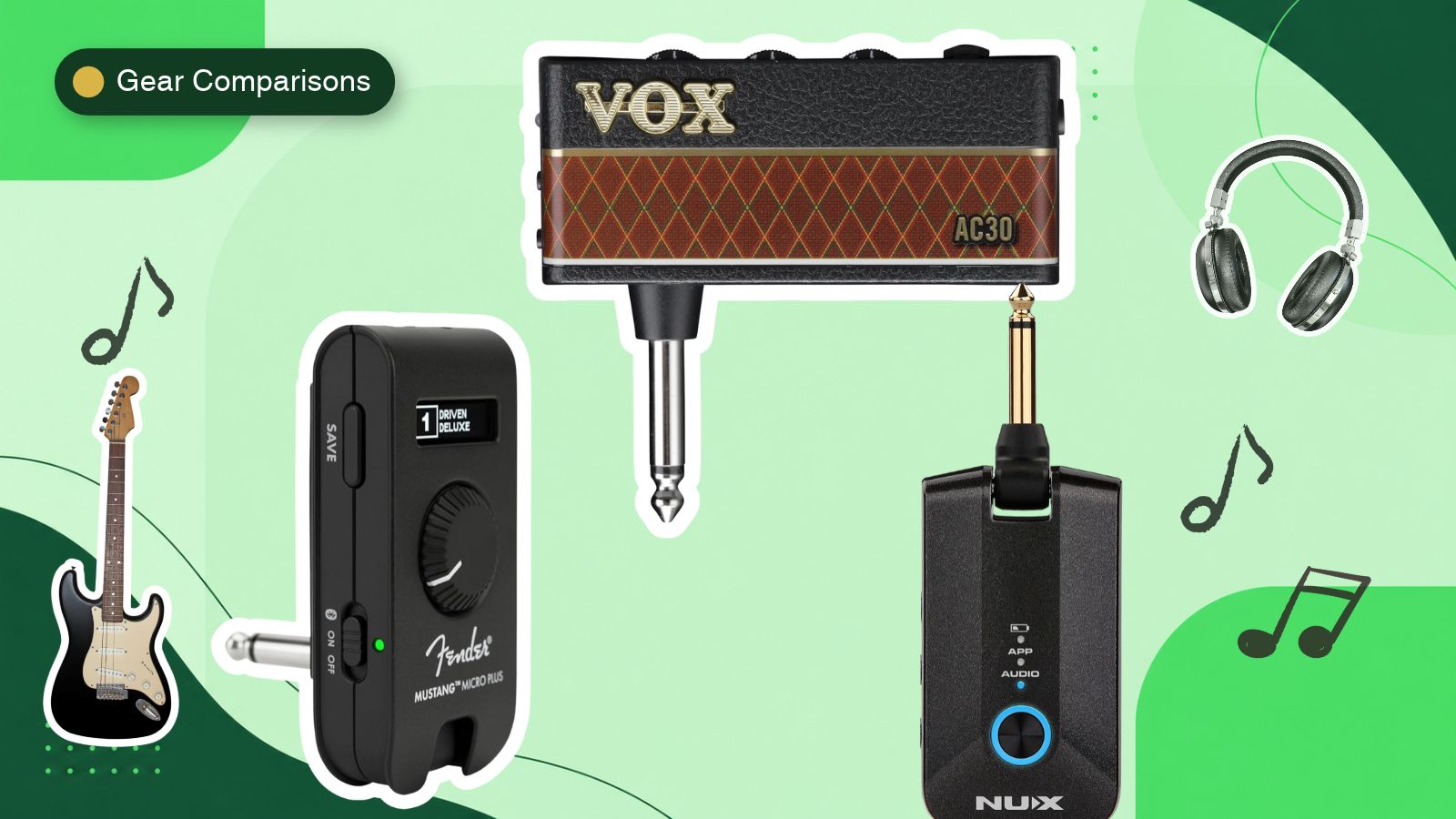
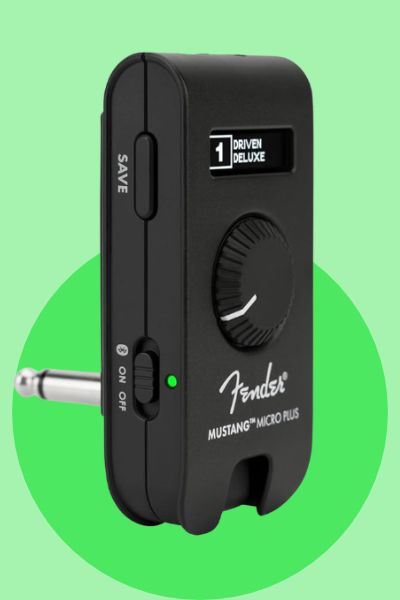
Fender Mustang Micro Plus
A rechargeable headphone guitar amp with different amplifier sounds, built-in effects and Bluetooth for playing along with music.
- 25 amplifier models
- 25 built-in effects
- 100 preset slots
- Built-in tuner
Why Is It Great?
You can go from a clean Fender-style guitar sound to something with a lot more distortion without changing your equipment. The Fender Tone app lets you create and save your own sounds, while the little display helps you see which setting you're using. You can also stream music from your phone to play along with or record your guitar through USB-C.
The Pros & Cons of Fender Mustang Micro Plus
Pros
- 25 different amp sounds
- Built-in guitar tuner
- Bluetooth music streaming
- USB-C audio recording
- Rechargeable battery
Cons
- Up to six hours per charge
- Wired headphones needed
- App for detailed editing
- No built-in drum patterns
- No built-in looper
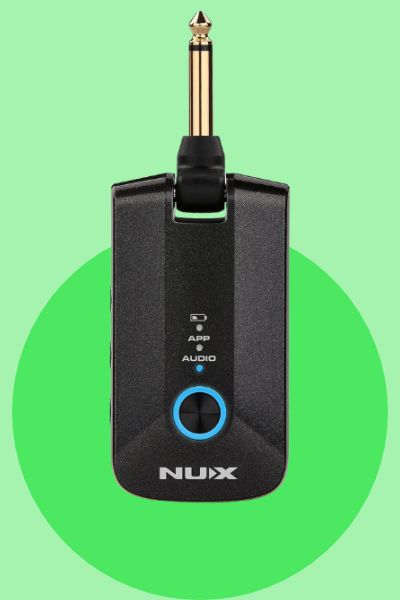
NUX Mighty Plug Pro
A headphone amp for electric guitar and bass with customisable amp sounds, effects and recording through a USB connection.
- Guitar and bass models
- Custom effect chains
- Seven editable presets
- USB audio recording
Why Is It Great?
What I like about this one is how much control you have over the guitar sound. Through the MightyAmp app you can change amplifiers, move effects around and even change the type of guitar speaker being recreated. There are backing tracks and drum patterns to practise with, and you can save your favourite sounds for the next time you play.
The Pros & Cons of NUX Mighty Plug Pro
Pros
- Guitar and bass support
- Custom speaker sounds
- Reorder guitar effects
- Built-in practice tools
- USB audio connection
Cons
- Five-hour battery life
- No onboard display
- Seven onboard presets
- App for detailed editing
- Wired headphones needed
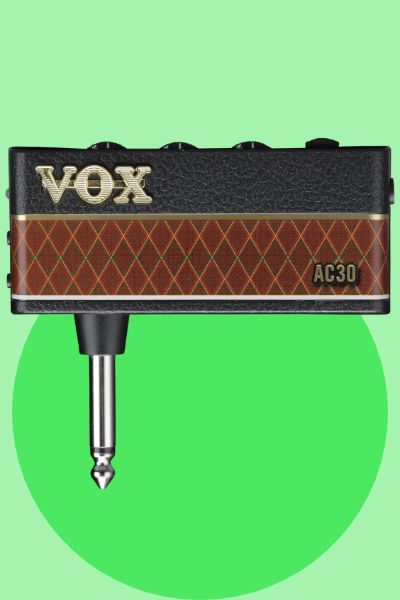
VOX amPlug 3 AC30
A small plug-in headphone amp based on the classic VOX AC30, with two channels, built-in effects and rhythm patterns.
- Classic AC30 sound
- Two amplifier channels
- Nine rhythm patterns
- Three built-in effects
Why Is It Great?
If you just want to pick up your guitar and play, this is pretty straightforward. There are controls for gain, tone and volume, as well as two channels based on the sound of the AC30 guitar amp. You can practise along with nine different rhythms or connect an external music player through the AUX input.
The Pros & Cons of VOX amPlug 3 AC30
Pros
- Simple physical controls
- Classic British amp tone
- Built-in drum rhythms
- Stereo guitar effects
- Up to 16 hours battery
Cons
- No Bluetooth streaming
- Requires two AAA cells
- Fixed AC30 amp character
- No USB audio interface
- No saved custom presets
FAQ
Can I plug headphones directly into an electric guitar?
A standard electric guitar doesn't produce enough power to drive ordinary headphones properly. You need something between the guitar and headphones, such as a headphone guitar amp, an audio interface or a guitar amplifier with a headphone socket.
Are guitar headphone amps completely silent?
Not quite. You'll still hear the physical sound of the guitar strings being played, particularly when strumming. However, the amplified guitar sound comes through your headphones rather than a speaker.
Can I use a guitar headphone amp without a phone?
Yes. Most dedicated guitar headphone amps work independently. Some have optional phone apps for changing sounds and settings, but you can generally plug in your guitar and headphones and start playing using the onboard controls.
Can I record music using a headphone guitar amp?
Some headphone guitar amps have a USB audio connection that lets you record directly onto a computer or compatible mobile device. You can use recording software to save your guitar playing without needing to put a microphone in front of an amplifier.
Are headphone guitar amps good for beginners?
Yes. They give you a way to practise regularly without worrying about disturbing other people. Having access to a clean guitar sound is useful when learning because you can hear whether you're playing each note clearly.
Summary - Which Headphone Guitar Amp Is Right for You?
I think the biggest consideration is how you normally practise and what you want to get out of that time. If you already have a guitar amp with a headphone socket, you may already have everything you need. The appeal of these little amps is being able to play wherever you feel comfortable without moving your equipment around.
The Fender Mustang Micro Plus would suit someone who regularly plays different styles of music. There are plenty of guitar sounds to choose from and the built-in tuner is handy when practising away from your usual setup.
The NUX Mighty Plug Pro is a good option for someone who enjoys experimenting with guitar sounds, building their own collection of effects and recording their music.
The VOX amPlug 3 AC30 would suit someone who enjoys that classic British guitar sound and wants to spend their time playing rather than adjusting settings. Having the built-in drum rhythms is also useful when practising your timing.
ABOUT THE AUTHOR