 By Matt
• Music Production Gear
• Published 5 Apr 2024 • Updated 8 July 2026
By Matt
• Music Production Gear
• Published 5 Apr 2024 • Updated 8 July 2026
The Looping Revolution: A Dive into the History and best of Loop Pedals
Before you start reading, just letting you know that my site contains affiliate links, at no extra cost to you, but they may give me a small commission to help run the site. Feel free to get extra info on my disclaimers page. Thanks and on with the show...
I find it magical when you see a musician building layers on layers of sound right in front of your eyes, doing nothing but stamping on a small box.
This magic box is called a loop pedal, and it has changed live performances as we know them.
The only thing was, I had no idea where the concept even came from.
I knew, as a Beatles fanatic, that they used tape machines during recording by changing the direction of the tape and experimenting with sound. But how did that turn into something portable that could be used at a moment’s notice?
I thought I would do a little research and share it with you fine readers so we can all learn a little about what we like.
Music.
Please help my new blog out, if you can, by leaving a comment or sharing to social media. Thanks.
What is the history of looping sounds in music?
Looping is the process of recording and playing back a sound so it repeats.
Before loop pedals existed, musicians and composers were experimenting with tape loops. Back in the 1950s, early pioneers like Pierre Schaeffer and Karlheinz Stockhausen used tape loops to create soundscapes that would have sounded completely strange and new at the time.
In the 60s, Terry Riley’s Time Lag Accumulator and the Frippertronics work of Robert Fripp and Brian Eno helped bring looping ideas into live performance.
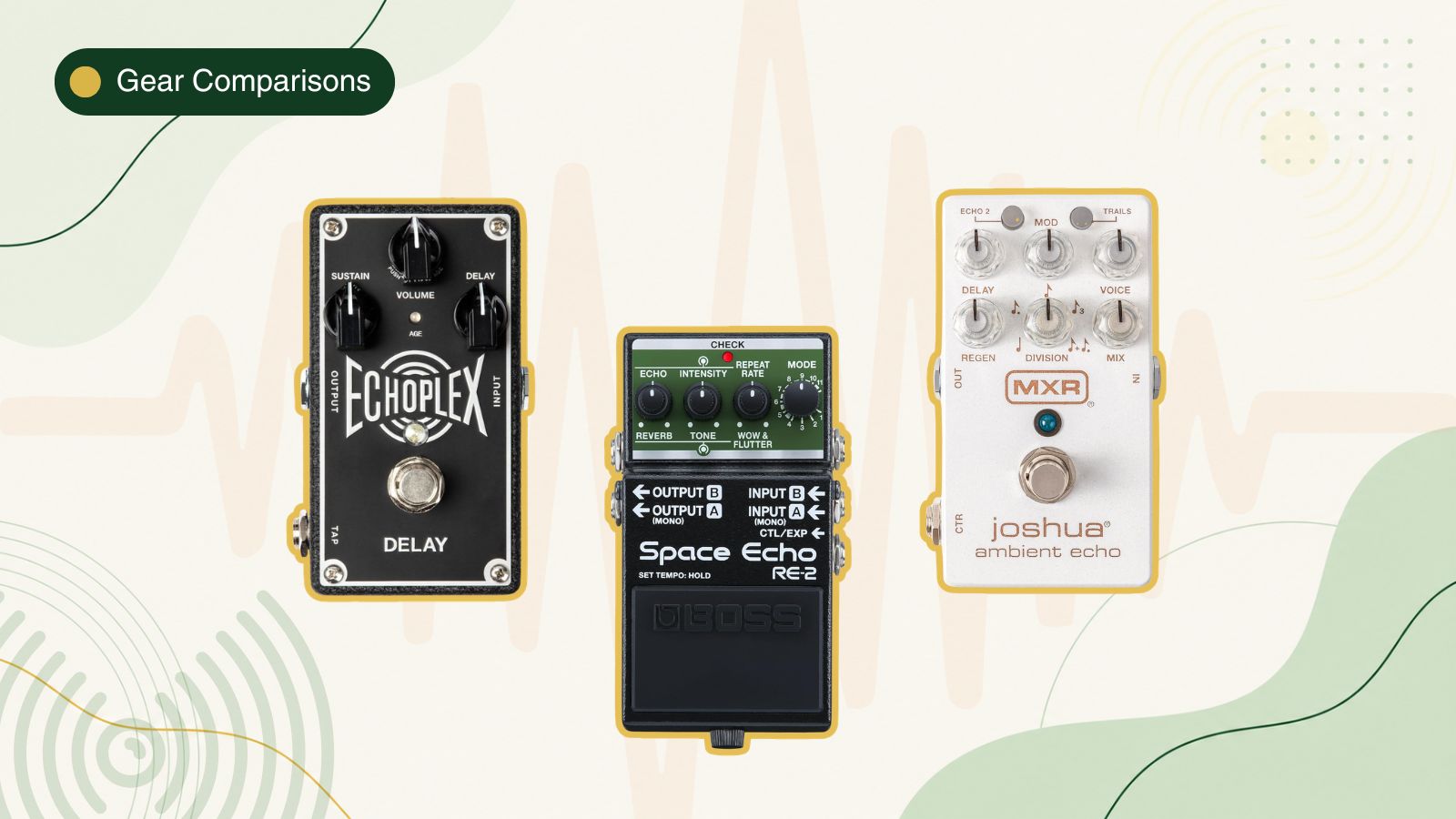
The first loop-style device sold to people was not a small pedal like we know today. It was more tied to tape delay systems. The Echoplex, which came out in the 1950s, helped push the idea forward and paved the way for the digital loop pedals that would arrive later.
That is the interesting thing about looping. It started as something experimental and studio-based, then slowly became something regular musicians could carry around and use live.
When Did Looping Transition Into Pedals?
In the late 80s and early 90s, looping started moving from big tape machines and rack-style gear into the foot pedal format we recognise today.
The technology still had a way to go, but the idea was becoming more practical. Instead of needing a studio setup, a player could control loops with their foot while still playing an instrument.
The DigiTech PDS 8000, released in the mid-1980s, is often pointed to as one of the early true loop pedals because it allowed recording, overdubbing and playback of loops.
That was a major shift.
Once looping moved into a pedal, it became much easier for guitarists, singers and live performers to build layers in real time. You could record a chord progression, add another part over the top, build a rhythm and then play or sing over it.
That is where the loop pedal started becoming more than just a clever effect. It became a performance tool.
How Do Loop Pedals Work?
A loop pedals function can be broken down into 5 easy steps. Although some now have different features that can add color and shape to the sound, these are the basics.
1. Record: Pressing the pedal once begins recording the audio input.
2. Overdub: Pressing the pedal again adds another audio segment over the first loop without erasing it. (1 and 2 can happen over and over on some of the more expensive pedals)
3. Playback: Another press stops recording, and the loop will play back automatically.
4. Undo/Redo: Most loop pedals now allow the removal of the last layer added.
5. Stop: A long press or double-tap stops the loop playback entirely.
What is the effect of a looping pedal?
Loop pedals enable musicians to create multi-layered soundscapes live, allowing for a richer, more complex performance. They can even mimic a full band by looping rhythmic backing tracks, solos, harmonies, and vocals. The audience hears a song that is built layer by layer with the same or different instruments.
This is something to be seen (and heard) and shows off the crazy talent of the performer. It really does show how a song can start with 1 instrument and be turned into a fully formed piece of music.
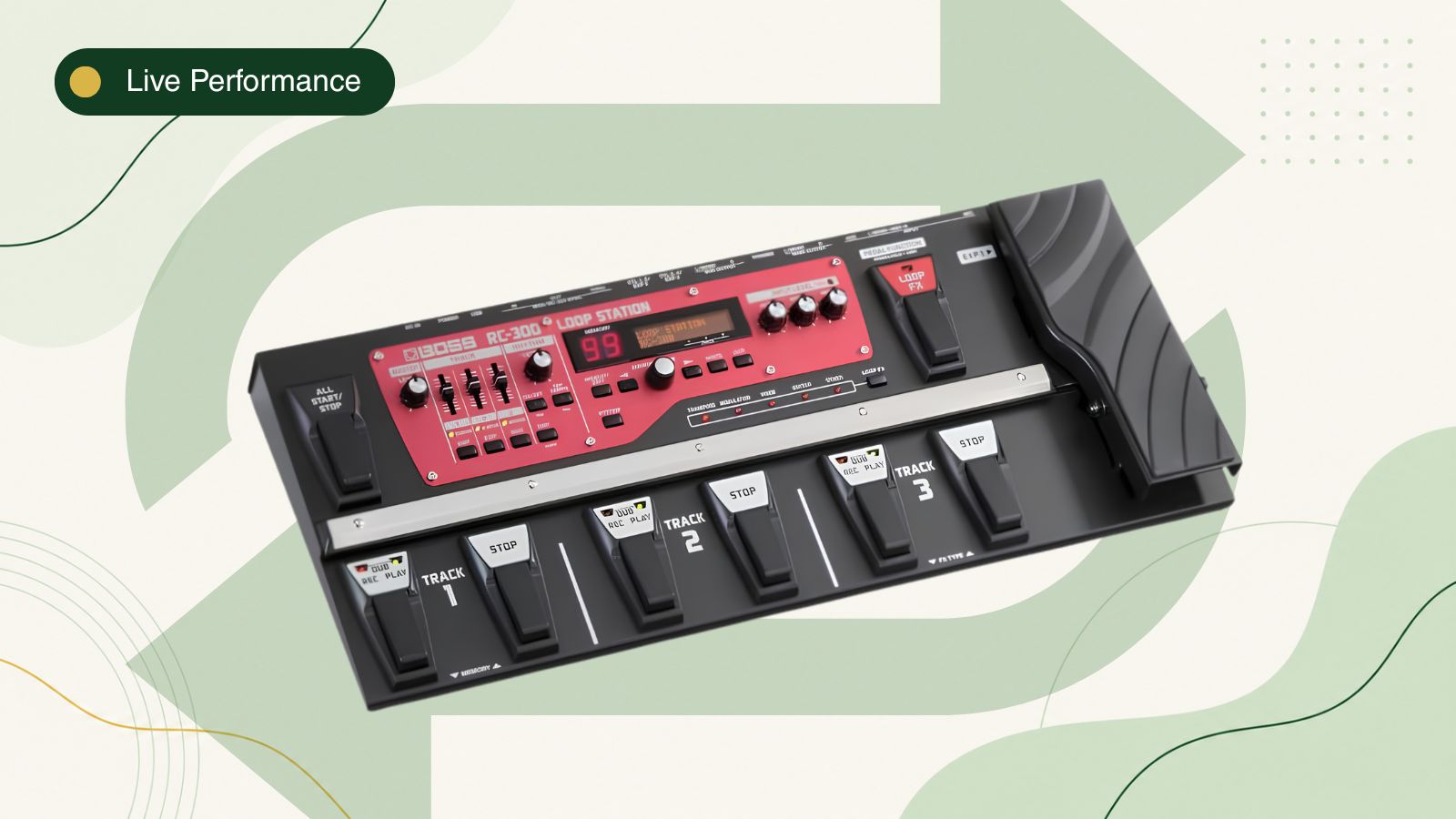
Boss RC-300 Loop Station
The Boss RC-300 Loop Station is the serious option in this list. It is designed for players who want more than a simple one-button looper and are ready to build full live arrangements.
- Designed for advanced looping.
- Three foot pedals for more live control.
- Built for serious performers.
- A strong choice for people ready to go beyond basic looping.
Why Is It Great?
This is the premium pick because it gives performers more control over multiple layers, sections and live arrangements. It is not the smallest or simplest looper, but if you are building full songs on stage and want something that can act like the centre of your performance, this is the kind of pedal that makes sense.
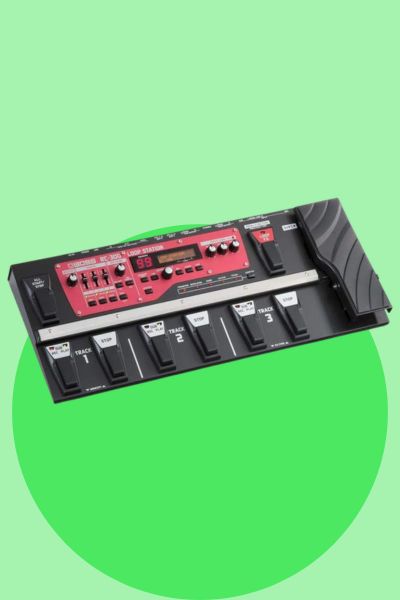
The Pros & Cons of Boss RC-300 Loop Station
Pros
- Advanced looping control
- Good for live performers
- Multiple footswitches
- Strong brand reputation
Cons
- Bigger than simple loop pedals
- More expensive
- May be too much for beginners
TC Electronic Ditto
The TC Electronic Ditto is the little guy in the best possible way. It is small, simple and does not try to overwhelm you with too many features.
- Small and simple design.
- Single knob operation.
- Great for beginning a looping journey.
- Easy to fit on a pedalboard.
Why Is It Great?
This is the best beginner pick because it keeps looping simple. If you just want to record a phrase, play it back and build basic layers, this is a much easier starting point than a large multi-track looper. Sometimes simple gear is better because it gets out of the way and lets you focus on playing.
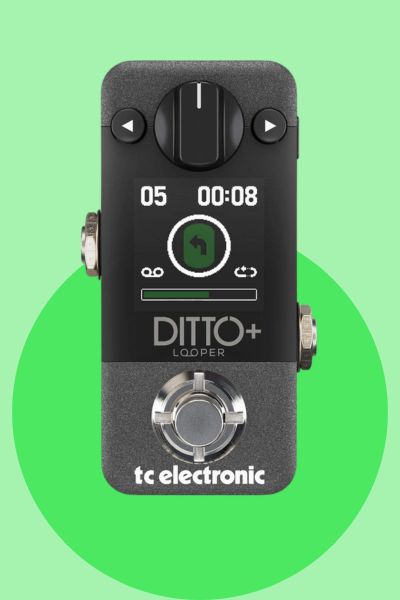
The Pros & Cons of TC Electronic Ditto
Pros
- Very simple
- Compact size
- Good for beginners
- Easy pedalboard fit
Cons
- Limited advanced features
- Not ideal for complex live looping
- Only suits simpler looping needs
Line 6 DL4
The Line 6 DL4 is interesting because it is not only a looper. It also brings delay sounds into the picture, which makes it a more creative option than a basic loop pedal.
- Combines looping with delay effects.
- Popular with singers and experimental players.
- Useful for creating texture as well as loops.
- A well-known pedal in modern effects history.
Why Is It Great?
I like this one because it shows how looping can become part of a bigger sound design setup. The delay side gives you extra colour, while the looper can help build layers live. That is probably why it has been popular with guitarists, singers and experimental performers.
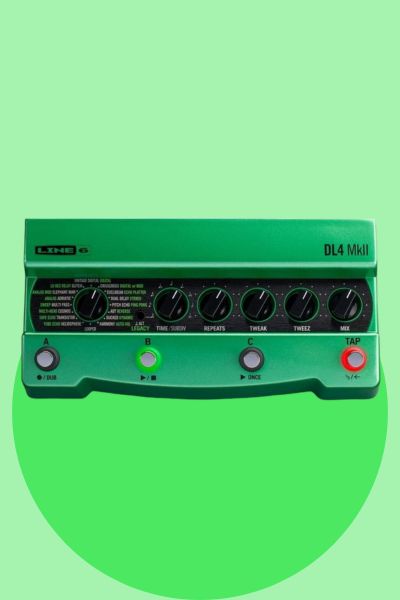
The Pros & Cons of Line 6 DL4
Pros
- Looper plus delay
- Creative sound options
- Well-known pedal
- Good for experimental playing
Cons
- Not just a straightforward looper
- May be more complicated for beginners
- Delay features may be unnecessary for some players
FAQ
What does a loop pedal do?
A loop pedal records a short section of audio and plays it back repeatedly, letting you build layers over the top while you perform.
Which loop pedal is best for beginners?
The TC Electronic Ditto is a strong beginner option because it is small, simple and does not overload you with controls.
Which loop pedal is best for advanced live performers?
The Boss RC-300 is the better fit for advanced performers because it gives more foot control and is designed for more complex looping.
Is the Line 6 DL4 only a loop pedal?
No. The Line 6 DL4 also includes delay effects, which makes it a more creative option if you want more than basic looping.
Can loop pedals make one musician sound like a full band?
They can help with that. By layering rhythm, chords, vocals, solos and percussion-style parts, one musician can build a much bigger live sound.
In Summary - The History and Impact of Loop Pedals
Loop pedals changed live performance forever because they helped solo artists create multi-layered soundscapes by themselves.
The technology started with tape loops and delay systems that once belonged in studios, then slowly moved into portable pedals that could fit on a pedalboard or in a backpack.
Looping encourages musicians to be creative. It lets one person build rhythm, harmony, melody and texture in real time.
Many famous musicians use loop pedals to create their music, with artists like Ed Sheeran being widely known for using looping as a major part of their live performance.
A few key points to remember:
- Looping started with tape experiments before becoming a pedalboard tool.
- Loop pedals let you record, play back and overdub sounds live.
- Simple loopers are good for beginners.
- Advanced loop stations are better for serious live arrangements.
- Looping can help solo performers sound much bigger.
- If you want the easiest starting point, the TC Electronic Ditto is a strong beginner option.
- If you want a creative looper with delay sounds, the Line 6 DL4 is worth looking at.
- If you want a serious live looping setup, the Boss RC-300 Loop Station is the bigger performance tool.
There are now loads and loads of loop pedals available at different price points and with different features.
As always, thanks very much for reading and let me know in the comments if you have any questions, opinions or ideas for my next article.
Have a great one!
ABOUT THE AUTHOR