 By Matt
• Live Performance Gear
• Published 28 Mar 2024 • Updated 17 July 2026
By Matt
• Live Performance Gear
• Published 28 Mar 2024 • Updated 17 July 2026
Understanding Music: What Is The Differences Between Overdrive vs Distortion?
Before you start reading, just letting you know that my site contains affiliate links, at no extra cost to you, but they may give me a small commission to help run the site. Feel free to get extra info on my disclaimers page. Thanks and on with the show...
When I first picked up a guitar as a kid, words like overdrive and distortion were almost interchangeable in my world.
All I knew was that I wanted my guitar to sound loud, hard and edgy. I thought the only path to achieving that iconic growl and scream of rock and roll was through a pedal.
Over the years, I have come to learn there is a bit more to these effects than just stomping on a box. Although, I must admit, I am still unravelling some of the mysteries behind these terms myself, so I thought I would dig a bit deeper.
The short version is this: overdrive is usually more like pushing an amp past clean, while distortion is more aggressive and changes the sound more heavily.
But let’s get into it properly.
What Are the Differences of Overdrive vs Distortion?
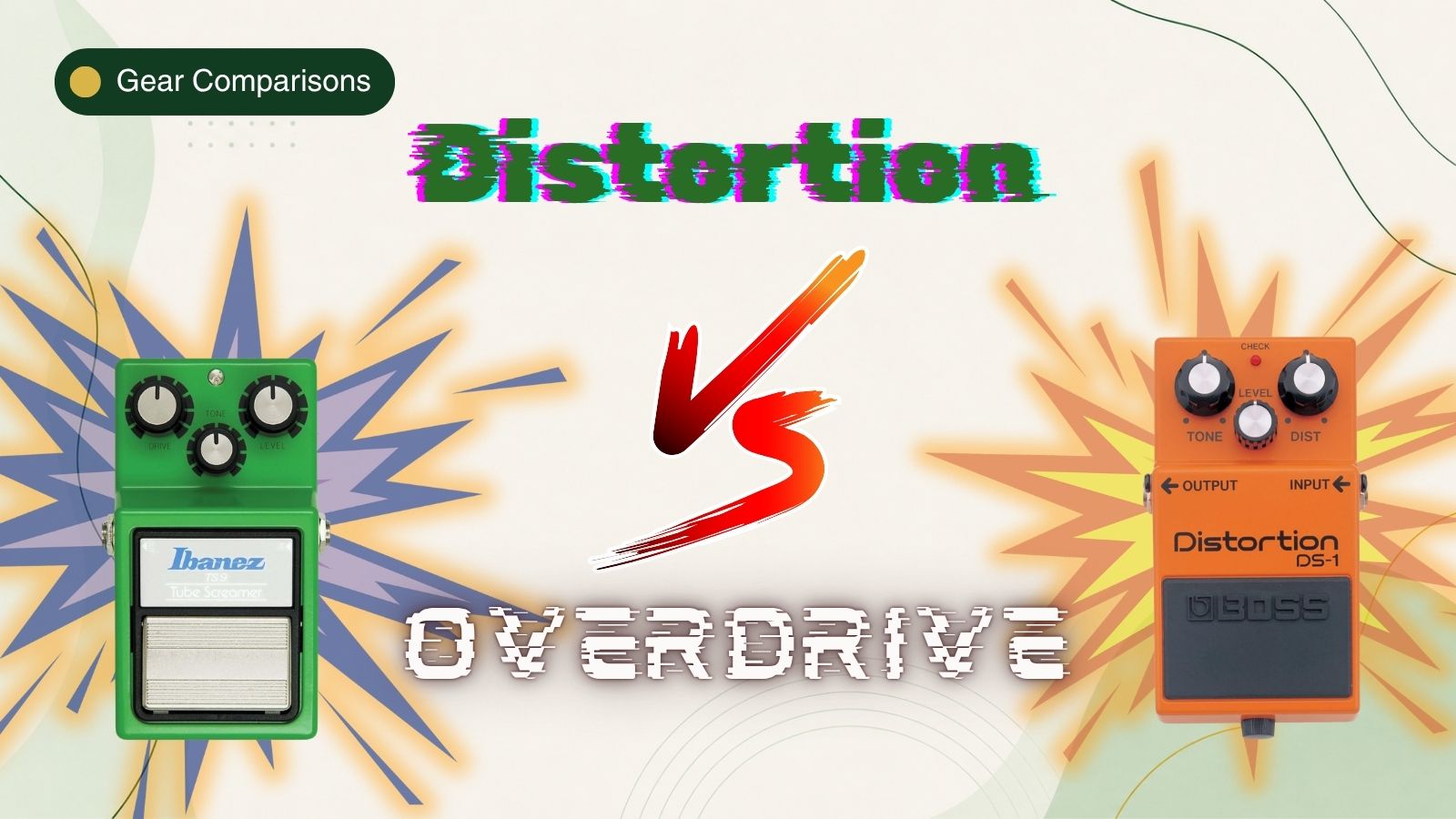
Overdrive and distortion are effects that alter the sound of your guitar, but they do so in different ways. Overdrive simulates the warm, natural sound of an amplifier pushed just beyond its clean setting, creating a smooth, harmonious distortion that retains the guitar's tonal characteristics. It's like driving your amp harder to get a creamy, dynamic sound that responds to your playing intensity.
Distortion takes this concept further by clipping the guitar's signal much more aggressively. This effect produces a harder, more aggressive sound that sustains longer and significantly alters the original tone of the guitar. Distortion is the heart of heavy metal and hard rock, delivering a consistent, high-gain sound that's less sensitive to playing dynamics.
What Are the Similarities Between Distortion vs Overdrive?
Despite their differences, distortion and overdrive share some common ground. Both are forms of gain, a term that refers to increasing the loudness of your guitar's signal.
They both add harmonic complexity to the sound, enriching the guitar's tone with additional layers.
Whether you're looking for the bluesy warmth of overdrive or the aggressive bite of distortion, each effect can elevate your sound from clean and plain to rich and powerful.
How Can the Effects of Overdrive and Distortion Be Achieved by Players?
Players can achieve overdrive and distortion through various methods, not just with pedals. Overdriving the amp by turning up the volume is a classic way to get a natural, warm overdrive sound. Many modern amps come with built-in overdrive or distortion channels that simulate this effect without the need for additional gear.
However, pedals offer a convenient and controllable way to add these effects. With a pedal, you can switch between clean and distorted tones mid-performance and fine-tune the amount of gain to suit your taste.
Can You Produce Distortion or Overdrive Without a Pedal?
Yes, it's possible to achieve distortion or overdrive without a pedal.
One method is by cranking up your amp's volume to push the tubes or circuits into natural distortion. Guitarists like Jimi Hendrix, Stevie Ray Vaughan, and Keith Richards have frequently used this technique to great effect.
Keith Richards, known for his impactful guitar work with The Rolling Stones, often emphasized the beauty of simplicity in achieving the perfect sound. Richards' technique of creating a rich, warm overdrive by carefully adjusting his amp settings showcases the art of using minimal equipment to produce iconic sounds.
Additionally, playing techniques such as pinch harmonics or using high-gain pickups can also produce a form of natural distortion.
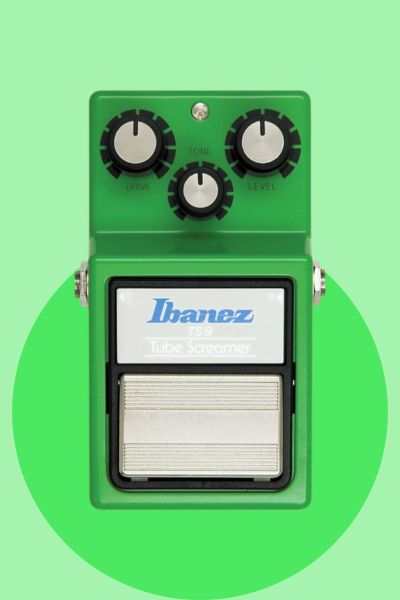
Ibanez Tube Screamer
The Ibanez Tube Screamer is one of the most famous overdrive pedals ever made. It is known for that warm, mid-focused sound that can push an amp without completely taking over your original guitar tone.
- Classic overdrive pedal
- Warm mid-focused tone
- Good for blues and rock
- Great for pushing an amp
Why Is It Great?
This is my best overall pick because it helps explain what overdrive is meant to do. It does not usually sound like a huge wall of gain. Instead, it gives your guitar more warmth, push and character. It is great for blues, rock and players who want the amp to still feel like part of the sound.
The Pros & Cons of Ibanez Tube Screamer
Pros
- Classic overdrive sound
- Great for blues and rock
- Works well for pushing an amp
- Responds well to playing dynamics
- Useful for lead boosts and rhythm tones
Cons
- Not heavy enough for modern metal on its own
- Mid-focused sound may not suit everyone
- Can sound different depending on the amp
- More subtle than some beginners may expect
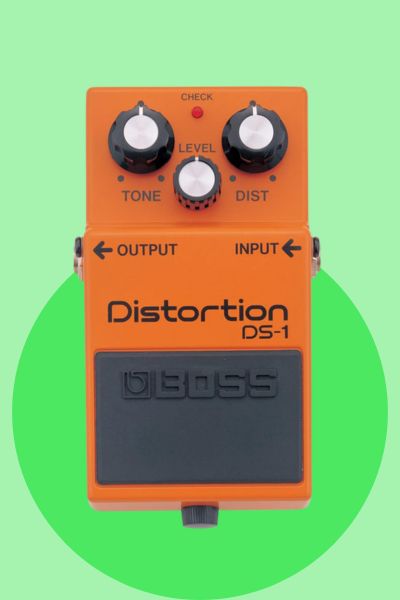
Boss DS-1 Distortion
The Boss DS-1 Distortion is one of those pedals that a lot of guitarists come across early. It is affordable, simple and gives you a more obvious distorted guitar sound than a typical overdrive pedal.
- Classic distortion pedal
- Tight aggressive sound
- Good for rock and hard rock
- Simple three-knob layout
Why Is It Great?
This is a good beginner distortion pedal because it makes the difference between overdrive and distortion easier to hear. The sound is harder, sharper and more aggressive. It is not trying to gently push the amp. It is giving you a more direct rock distortion sound.
The Pros & Cons of Boss DS-1 Distortion
Pros
- Affordable distortion pedal
- Simple controls
- Good first distortion option
- Works for rock and heavier sounds
- Easy to understand
Cons
- Can sound harsh with some amps
- Less natural than overdrive
- Not as touch-sensitive as some pedals
- May need careful tone adjustment
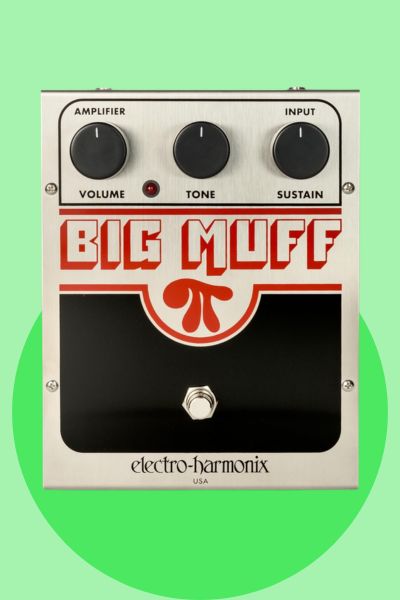
Electro-Harmonix Big Muff Pi
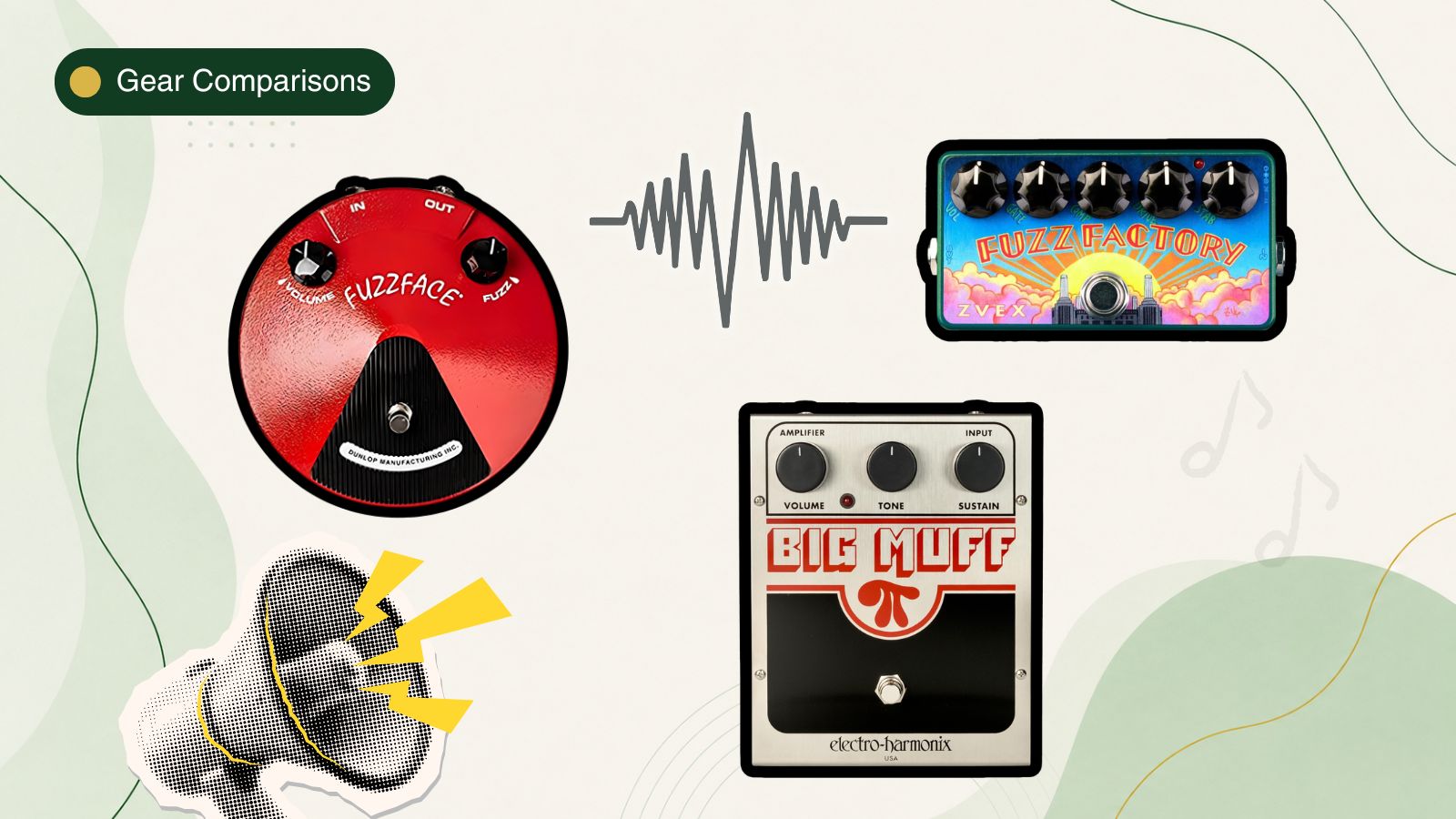
The Electro-Harmonix Big Muff Pi sits somewhere in the heavier, fuzzier side of the gain world. It is not a subtle overdrive pedal. It is big, thick and full of sustain.
- Fuzz-style distortion
- Huge sustain
- Thick saturated sound
- Good for rock and lead tones
Why Is It Great?
The Big Muff is useful here because it shows that distortion is not just one sound. Some distortion pedals are tight and aggressive, while something like the Big Muff is more saturated, fuzzy and huge. It is great if you want long sustain, thick lead tones or a more alternative rock sound.
The Pros & Cons of Electro-Harmonix Big Muff Pi
Pros
- Huge sustain
- Thick and full sound
- Great for lead lines
- Classic fuzz/distortion character
Cons
- Can get muddy if overused
- Less precise than tighter distortion pedals
- May not suit clean bluesy overdrive sounds
- Can dominate a mix quickly
FAQ
What is the difference between overdrive and distortion?
Overdrive is usually smoother and closer to the sound of an amp being pushed. Distortion clips the signal more aggressively and creates a harder, heavier sound.
Is overdrive better than distortion?
Neither is better. Overdrive is better for warmer and more dynamic sounds, while distortion is better for heavier and more aggressive sounds.
Can I use overdrive and distortion together?
Yes. Many guitarists stack overdrive and distortion pedals. For example, an overdrive can push a distortion pedal or amp harder for more sustain and character.
Do I need a pedal to get distortion?
No. You can get distortion from an amp with a built-in gain channel or by turning an amp up until it naturally breaks up. Pedals just make the sound easier to control.
What is the best first overdrive or distortion pedal?
For overdrive, the Ibanez Tube Screamer is a classic starting point. For distortion, the Boss DS-1 is simple and beginner-friendly. For thicker fuzz-style sounds, the Electro-Harmonix Big Muff Pi is worth looking at.
In Summary – Understanding Overdrive And Distortion
Overdrive and distortion both change your guitar sound by adding gain, but they do not feel exactly the same.
Overdrive is usually smoother, warmer and closer to the sound of an amp being pushed just beyond clean.
Distortion is more aggressive, more compressed and changes the original guitar tone more heavily.
Both effects can add harmonic richness, sustain and power to your guitar sound.
You can get these sounds from pedals, amps or even by pushing your amp harder.
A few key points to remember:
- Overdrive is usually better for blues, classic rock and touch-sensitive playing.
- Distortion is usually better for hard rock, punk, metal and heavier tones.
- Both effects are forms of gain.
- Pedals make the sounds easier to control live.
- Your amp and guitar will change how each pedal sounds.
If you are buying your first gain pedal, the Ibanez Tube Screamer is a classic overdrive starting point, the Boss DS-1 is a simple distortion option and the Electro-Harmonix Big Muff Pi is a great example of a thicker fuzz-style distortion sound.
As always, thanks very much for reading and let me know in the comments if you have any questions, opinions or ideas for my next article.
Have a great one!
ABOUT THE AUTHOR